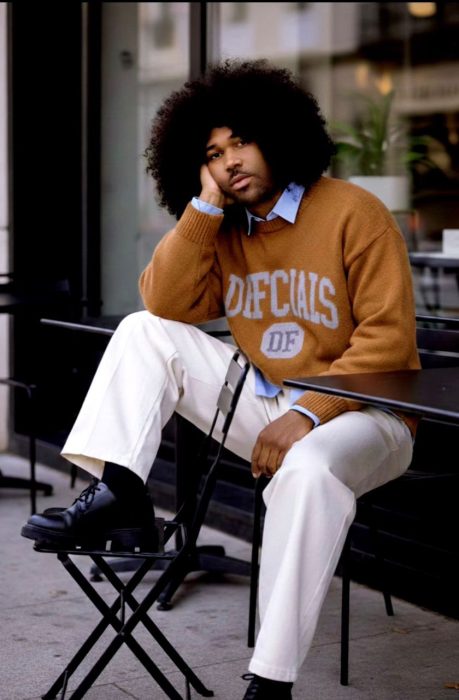
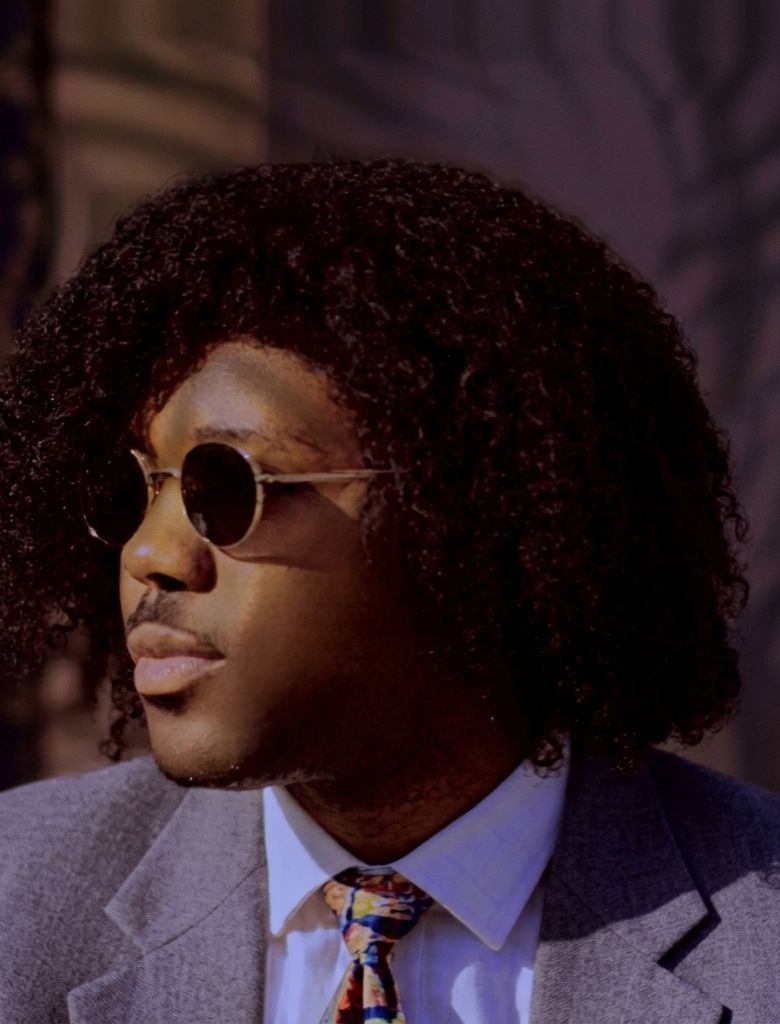
Growing up in Ghana, he was heavily influenced by the country’s rich musical heritage. From Highlife and Hiplife to Gospel, Dancehall, and Afrobeats, these diverse sounds helped shape his artistic identity. Today, he channels those influences into a versatile sound that effortlessly moves between genres while maintaining a clear and uplifting message.
“I want my music to inspire people, promote African culture, and leave a positive impact on society,” he explains.
That vision is at the heart of everything Fiankoofficial creates. While many artists focus solely on commercial success, his goal extends beyond chart positions. He aims to become a globally recognized ambassador for Ghanaian music while staying true to his roots.
What makes Fiankoofficial stand out is his ability to balance infectious melodies with meaningful storytelling. Whether exploring themes of love, perseverance, self-belief, or personal growth, his songs are designed to connect with listeners on a deeper level.
His recent releases—including Shawty, Don’t Lose Your Mind, Obsess, Amigo, Give Me Love, and Man So High—form part of his growing project, Love Of Life. The collection showcases different dimensions of his artistry while delivering messages that encourage listeners to stay focused on their goals despite life’s challenges.
The songs reflect real-life experiences, relationships, personal development, and everyday observations that many fans can relate to.
Like many independent artists navigating today’s music industry, Fiankoofficial has faced his share of obstacles. Limited resources and industry support have tested his determination, but he remains focused on the bigger picture.
One of his greatest achievements, he says, has been maintaining consistency while building his brand and watching audiences connect with his music organically.
Through collaborations with producers, engineers, and creatives, he has developed a strong understanding of professionalism, teamwork, and continuous artistic growth—qualities that continue to shape his evolving career.
The next twelve months promise to be a significant chapter for Fiankoofficial. Fans can expect a steady stream of new music, multiple album releases, music videos, strategic collaborations, and live performances as he expands his reach across Ghana, Africa, and international markets.
With Ghanaian music continuing to gain global recognition, Fiankoofficial believes the timing is right to contribute his voice to the movement.
Despite the challenges of the industry, his message remains simple:
“Dreams are achievable through hard work, consistency, and faith. My journey is proof that every step matters. Keep believing in yourself and never stop pursuing your purpose.”
As African music continues to dominate global playlists, Fiankoofficial represents a new generation of artists who understand that success is not only about making hits—it’s about creating music with meaning.
With talent, determination, and a clear sense of purpose, Fiankoofficial is undoubtedly one to watch in the years ahead.
Follow Fiankoofficial
Instagram: @fiankoofficial
TikTok: @fiankoofficial
YouTube: @fiankoofficial
Audiomack: @fiankoofficial
Facebook: Fiankoofficial