languages languagesicone
site loader
site loader
April 8, 2026 Fela Kuti Legacy 2026: Why His Influence Still Shapes Afrobeats Today

Fela Kuti Legacy 2026: Why His Influence Still Shapes Afrobeats Today

Fela Kuti Legacy 2026: The Father of Afrobeat Lives On

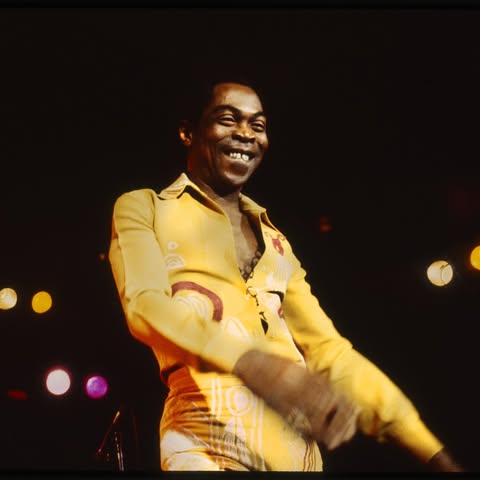
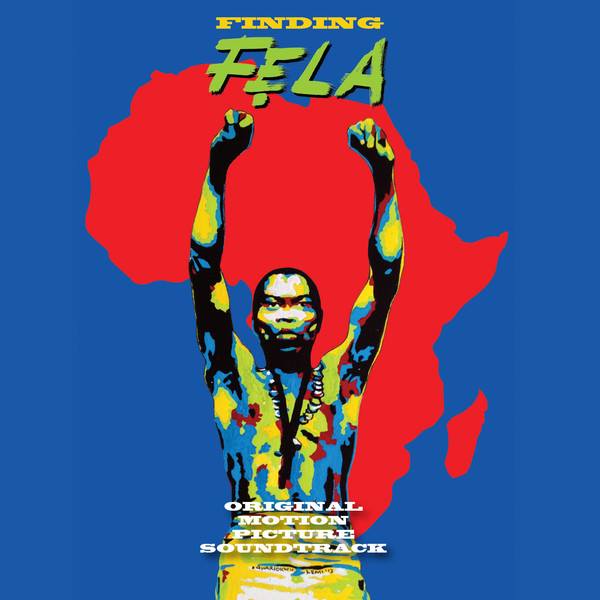
Fela Kuti legacy 2026 remains one of the most powerful forces in global music. Decades after his rise, Fela Kuti continues to influence not only Afrobeats but the entire global soundscape.

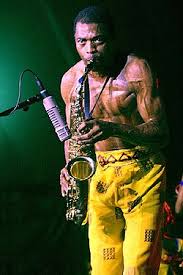
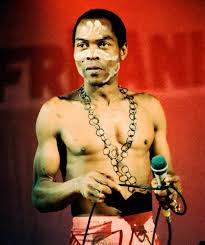
Known as the pioneer of Afrobeat, Fela didn’t just create music—he created a movement. His fusion of jazz, funk, and traditional African rhythms gave birth to a genre that still dominates charts today.

The Birth of Afrobeat and a Cultural Revolution

The Fela Kuti legacy 2026 begins with the creation of Afrobeat in the 1970s. At a time when African music was still developing its global identity, Fela introduced a sound that was bold, political, and deeply rooted in African culture.

His music was more than entertainment—it was:

  • A voice for the people
  • A reflection of society
  • A challenge to authority

This fearless approach made Fela a global icon and set the foundation for modern Afrobeats.

How Fela Kuti Legacy 2026 Influences Modern Afrobeats

Today, the Fela Kuti legacy 2026 can be heard in the music of some of the biggest African artists.

Stars like Burna Boy openly credit Fela as a major influence. Burna Boy’s sound, stage presence, and messaging reflect the Afrobeat roots that Fela established.

Other artists across Nigeria, Ghana, and the UK continue to draw inspiration from:

  • Fela’s rhythm and instrumentation
  • His bold storytelling style
  • His global mindset

Even though Afrobeats has evolved into a more commercial and global genre, its DNA still traces back to Fela.

From Lagos to London: A Global Impact

The Fela Kuti legacy 2026 is not limited to Africa—it has spread worldwide.

In cities like London, Afrobeats has become a dominant force in clubs, festivals, and charts. This global expansion is built on the foundation Fela created decades ago.

His influence can be seen in:

  • International collaborations
  • Festival performances
  • The global acceptance of African music

Fela turned Afrobeat into a global language, and that impact continues to grow.

More Than Music: A Cultural and Social Icon

The Fela Kuti legacy 2026 goes beyond sound—it represents culture, identity, and resistance.

Fela used his platform to speak on social issues, inspiring generations of artists to use their voices for more than just entertainment.

Today’s artists continue this tradition by:

  • Addressing social issues in their music
  • Representing African identity globally
  • Challenging norms through creativity

This is what makes Fela’s legacy timeless.

Why Fela Kuti Still Matters in 2026

So why does the Fela Kuti legacy 2026 still matter?

Because the global rise of Afrobeats is built on his foundation. Without Fela, the genre as we know it today might not exist.

His influence ensures that:

  • African music continues to evolve
  • New artists stay connected to their roots
  • The culture remains authentic despite global success

Final Thoughts

The Fela Kuti legacy 2026 is not just history—it’s the present and the future of Afrobeats.

As artists continue to push boundaries and take African music to new heights, Fela’s influence remains at the core of it all.

🔥 From Lagos to the world, Fela lives on through every beat.

Facebook
Twitter
LinkedIn
April 7, 2026 Wireless Festival Ye Debate: Why Music Must Stay Free for the People

Wireless Festival Ye Debate: Why Music Must Stay Free for the People

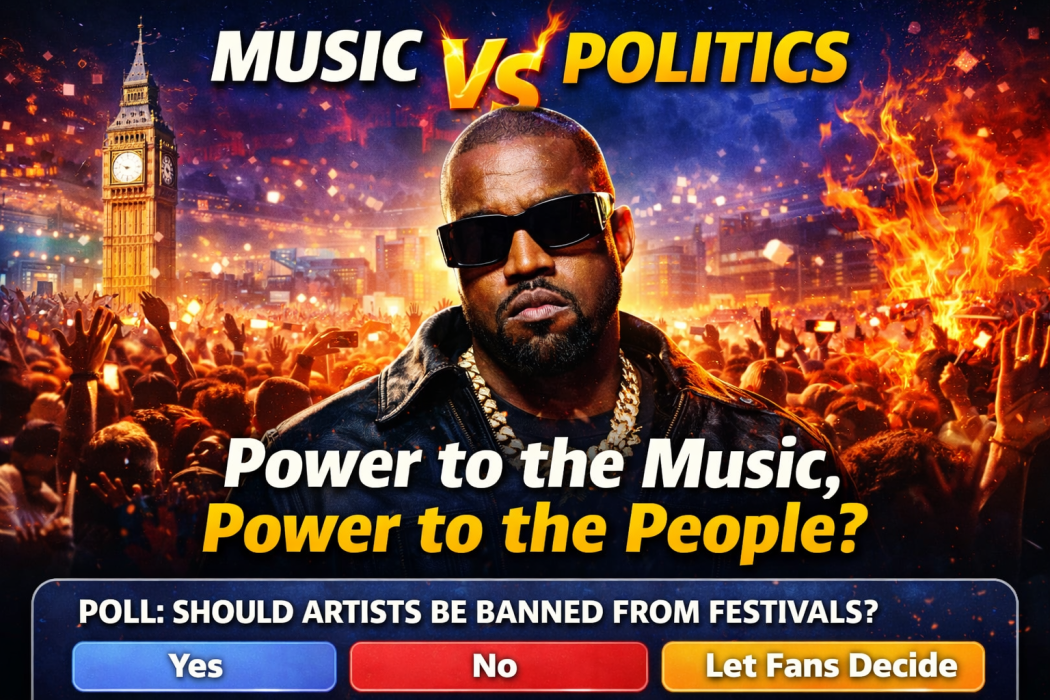
Wireless Festival Ye Debate: Music vs Politics

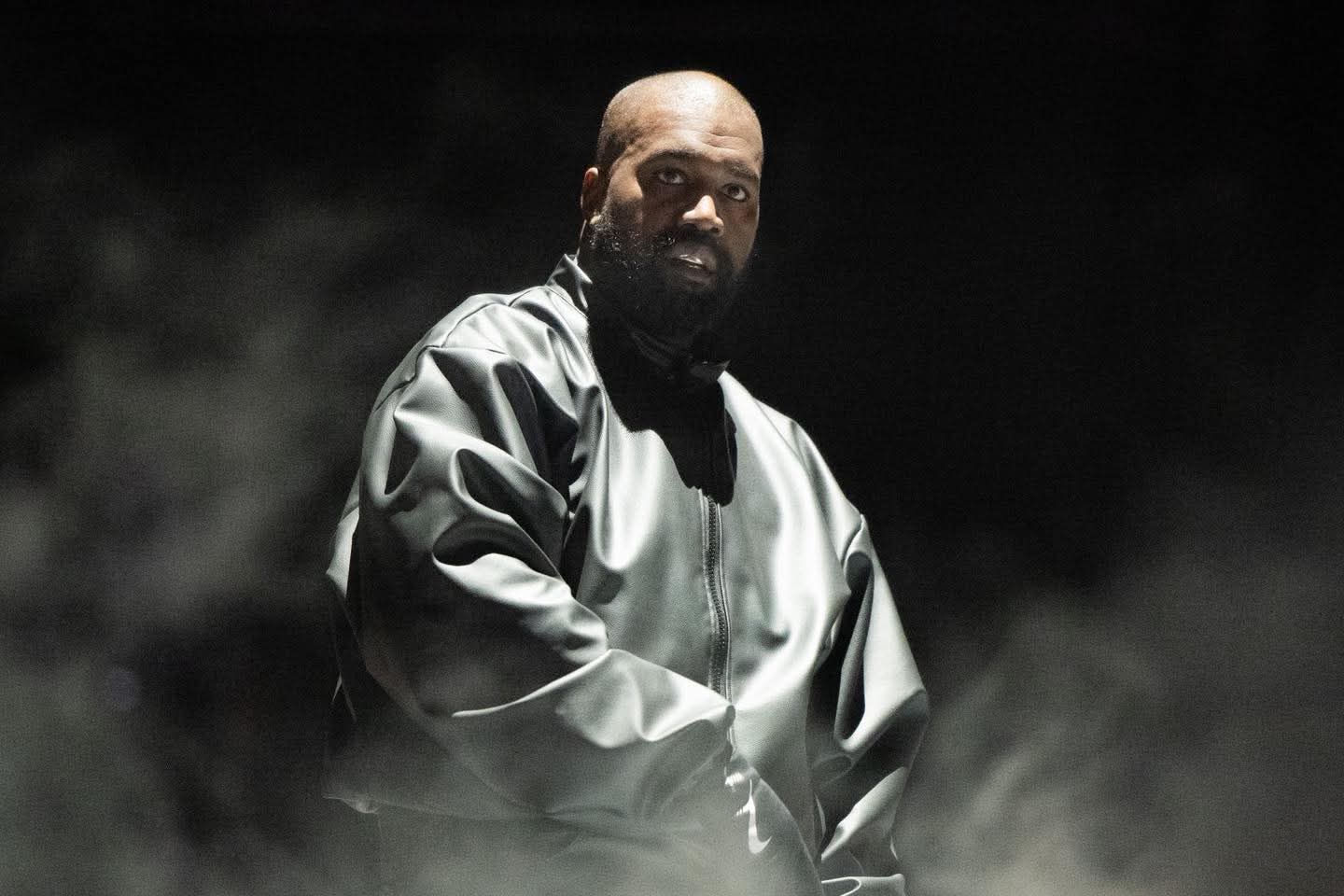
The Wireless Festival Ye debate has taken over headlines in the UK, with politicians like Wes Streeting criticising organisers for booking Ye.

But beyond politics, many fans are asking a different question:

👉 Should music be controlled by politics—or should it remain a space for freedom and expression?

At its core, music has always belonged to the people—not governments, not institutions, and not political narratives.

Music Has Always Been a Voice of Freedom

From hip-hop to Afrobeats, music has long been a platform for creativity, rebellion, and storytelling.

Artists like Kanye West (Ye) have built careers on pushing boundaries—sometimes controversial, often uncomfortable, but always influential.

Festivals like Wireless Festival represent that same spirit:

  • A space for diverse voices
  • A celebration of culture
  • A platform for global sounds

Limiting who can perform risks turning music into something controlled rather than expressive.

4
Created by Rodney King
Wireless Festival Ye Debate: Let Fans Decide!

👉 Should artists be banned from festivals?

Yes

No

Let fans decide

Fans, Not Politics, Drive Music Culture

While politicians debate, fans are the ones who:

  • Buy tickets
  • Stream music
  • Create viral trends

In cities like London, music culture is shaped by the people—especially young audiences and diaspora communities who see festivals as more than entertainment.

They are:

  • Cultural gatherings
  • Identity spaces
  • Creative movements

The energy around Wireless Festival reflects this reality: it’s about the crowd, not the commentary.

The Role of Festival Organisers

Despite criticism, organisers behind Wireless Festival have defended their decision, emphasising artistic freedom.

From a creative perspective, booking a global artist like Ye:

  • Drives conversation
  • Attracts global attention
  • Reflects real-world culture (not a filtered version of it)

Music festivals are not meant to be safe spaces for politics—they are meant to be raw, real, and reflective of the world we live in.

Music vs Division: What People Really Want

Many fans argue that music should unite, not divide.

At a time when global conversations are often dominated by conflict, politics, and division, music offers something different:

  • Connection
  • Escape
  • Expression

The Wireless Festival Ye debate highlights a deeper issue—whether creative spaces are being overshadowed by political narratives.

Power to the Music: A Cultural Movement

Across the UK and beyond, there’s a growing belief:

👉 Music belongs to the people.

Genres like Afrobeats, hip-hop, and drill have grown because of community—not politics.

Artists, DJs, and fans continue to push culture forward regardless of controversy.

This is why festivals matter:

  • They amplify voices
  • They celebrate diversity
  • They create moments that live beyond headlines

Let the Fans Decide

Ultimately, the success of any artist or performance comes down to the audience.

If fans show up, stream the music, and engage with the culture, that’s what defines relevance—not political approval.

The Wireless Festival Ye debate may continue in the media, but on the ground, the energy tells a different story.

Music has never been about perfection—it’s about expression.

The conversation around Ye and Wireless Festival reflects a larger cultural moment where creativity and control are colliding.

But one thing remains clear:

🔥 Power to the music. Power to the people.

Facebook
Twitter
LinkedIn
April 5, 2026 Davido to Headline Major UK Festival

Davido to Headline Major UK Festival

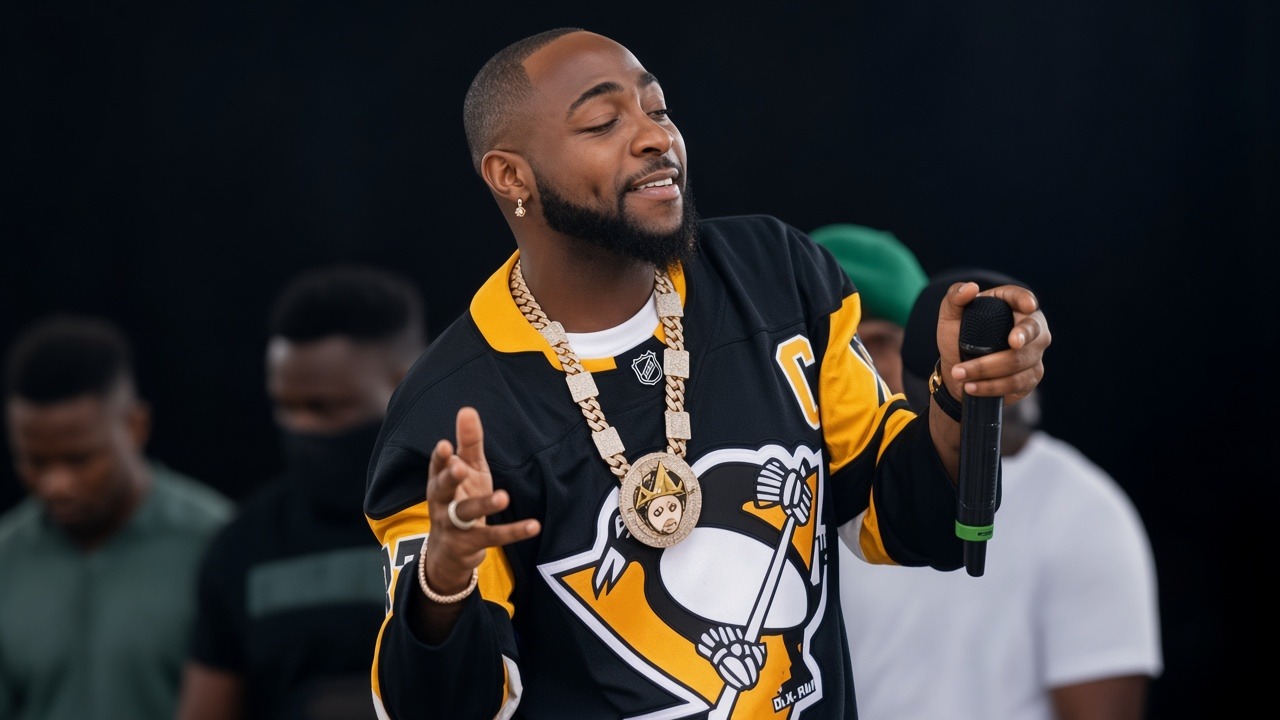
Davido to Headline Major UK Festival: Afrobeats’ Growing Influence in Britain

Afrobeats Takes Centre Stage in the UK

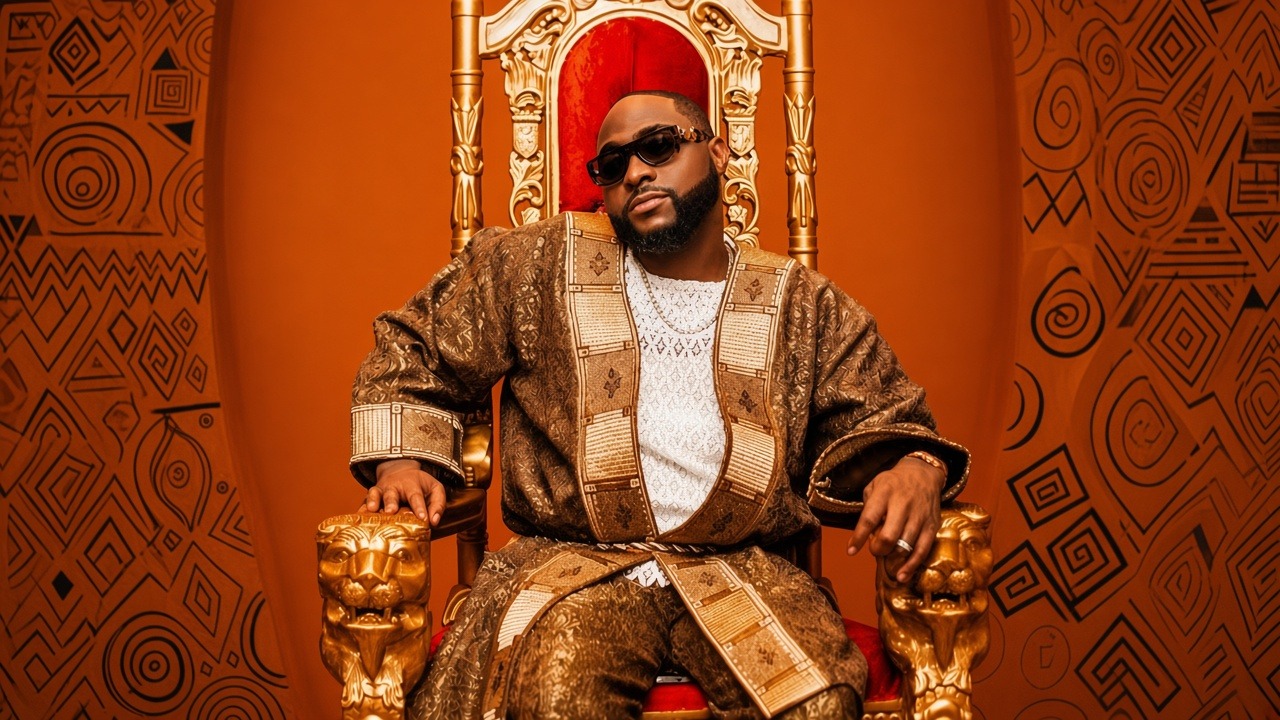
The global rise of Afrobeats has reached a new milestone as Davido is set to headline a major UK festival in 2026. This moment reflects not just his personal success, but the growing dominance of African music across Britain.

From London to Manchester, Afrobeats is no longer a niche genre—it’s now a defining sound of the UK music landscape.

Why Davido’s UK Headline Slot Matters

Davido’s presence at a major UK festival signals a shift in global music power. Once dominated by Western pop acts, UK festivals are now embracing African headliners as key attractions.

This follows years of groundwork laid by artists like Wizkid and Burna Boy, who have sold out arenas and topped charts across the UK.

Davido’s headline performance represents:

  • The mainstream acceptance of Afrobeats
  • The commercial power of African artists
  • The influence of the African diaspora in Britain

The UK: A Second Home for Afrobeats

The UK has become a critical hub for Afrobeats growth, thanks to its large African and Caribbean communities.

Cities like London have played a major role in pushing the genre into clubs, radio stations, and festivals. British audiences have embraced the sound, blending it with grime, drill, and pop influences.

Artists such as Dave and J Hus have also helped bridge the gap between UK rap and Afrobeats, creating a unique hybrid sound.

Streaming Numbers Show Massive Growth

Afrobeats consumption in the UK has surged dramatically over the past few years. Platforms like Spotify and Apple Music report millions of streams for African artists every week.

Songs by Davido consistently trend on UK charts, proving that Afrobeats is no longer just “world music”—it’s mainstream.

Ghana and Nigeria’s Influence on the UK Sound

The UK Afrobeats boom is heavily influenced by music coming out of Nigeria and Ghana.

While Nigeria remains the dominant force, Ghanaian artists are increasingly gaining global attention, contributing fresh sounds and styles that resonate with UK audiences.

This cross-cultural exchange is shaping the future of global music.

What This Means for African Artists

Davido’s UK headline moment opens doors for emerging African artists to reach international audiences.

It also proves that:

  • African artists can headline global stages
  • Afrobeats is a long-term global genre
  • The UK remains a key gateway to worldwide success

Davido headlining a UK festival is more than just a performance—it’s a symbol of Afrobeats’ global takeover.

As African music continues to break barriers, the UK stands at the centre of this cultural movement, connecting Lagos, Accra, and London in one powerful rhythm.

Facebook
Twitter
LinkedIn