languages languagesicone
site loader
site loader
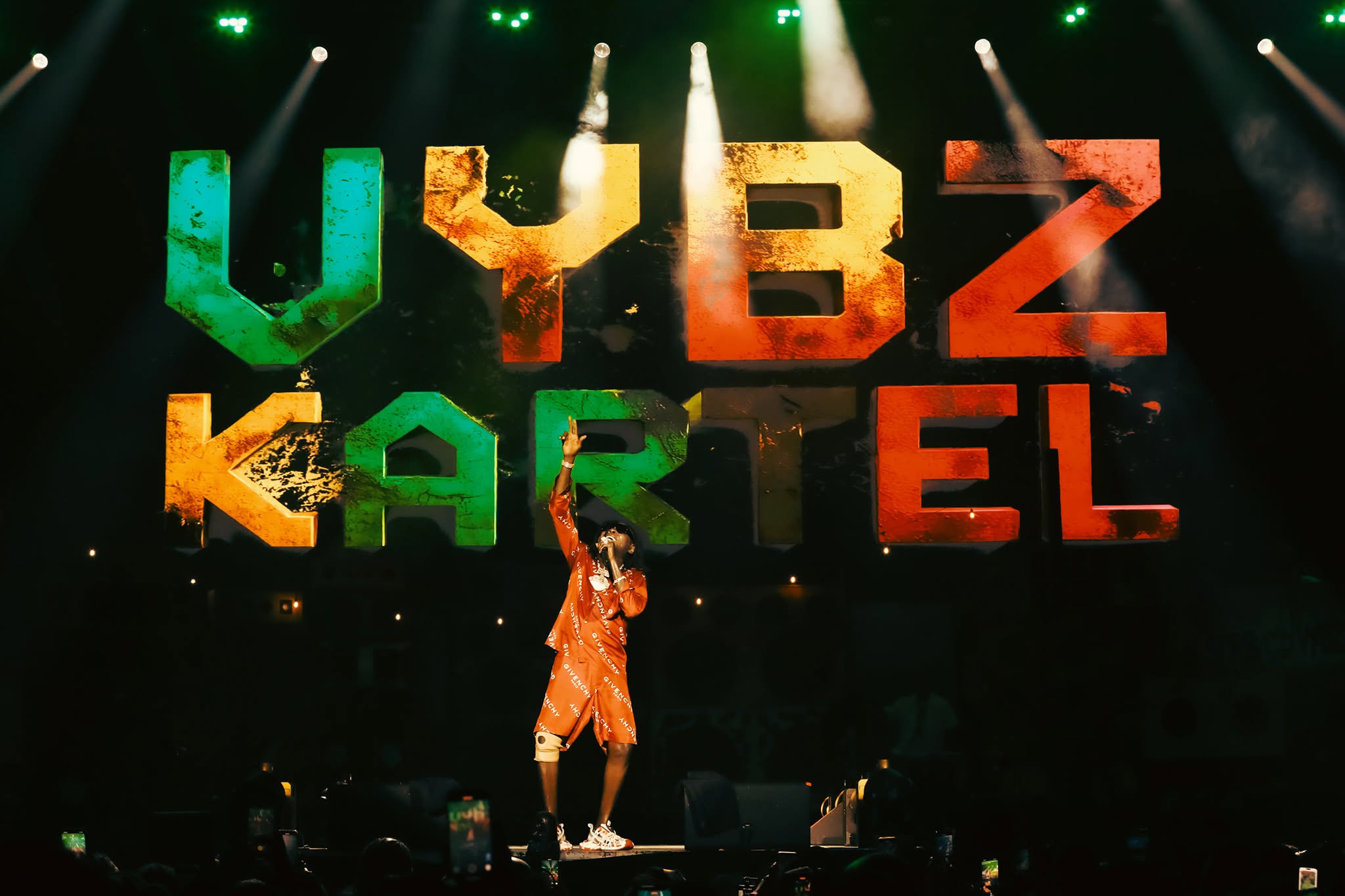
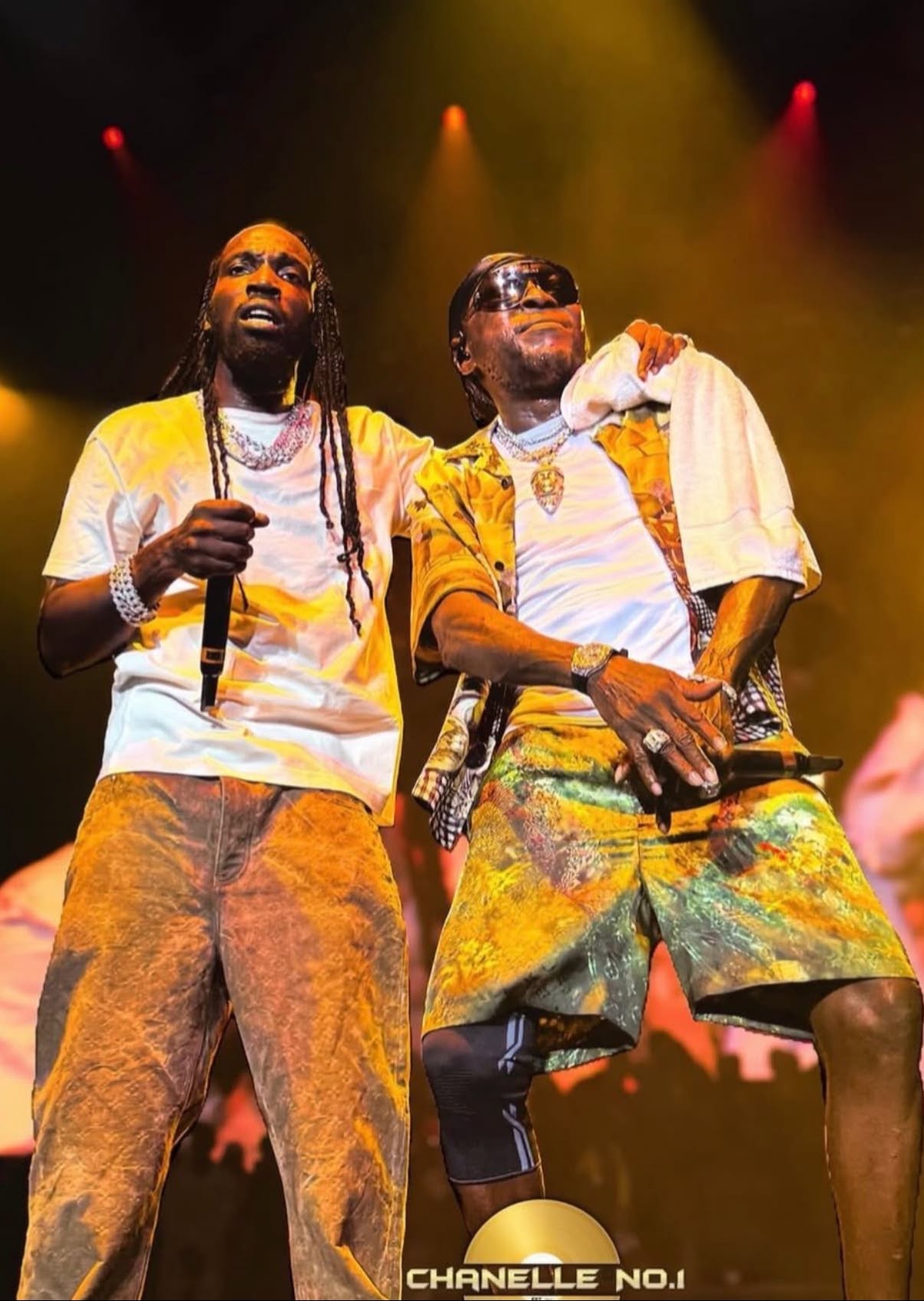
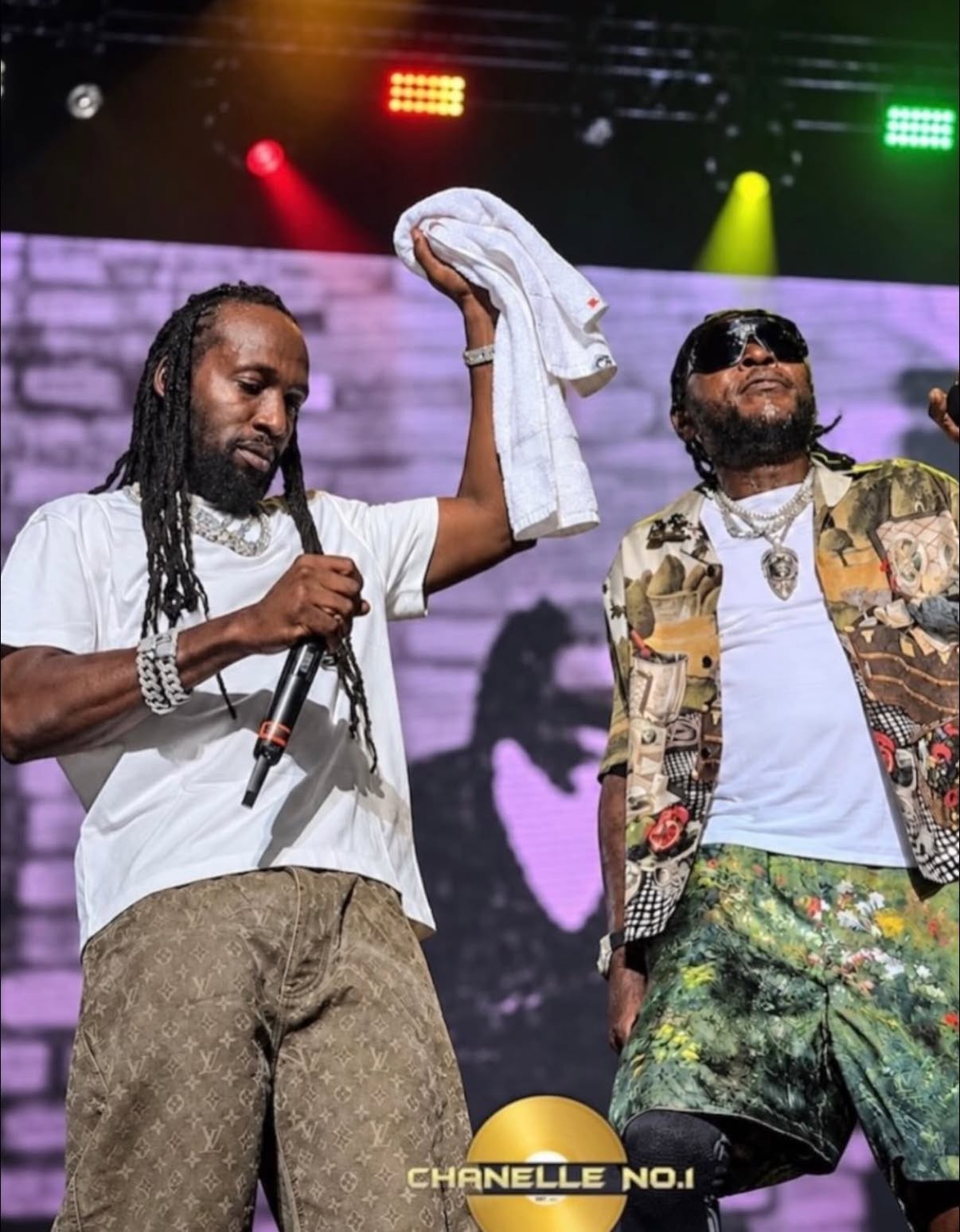
September 29, 2026 Vybz Kartel Shaggy Shade War Heats Up: Who Really Rules Dancehall?

Vybz Kartel Shaggy Shade War Heats Up: Who Really Rules Dancehall?

Vybz Kartel Shaggy Shade War Heats Up: Who Really Rules Dancehall?

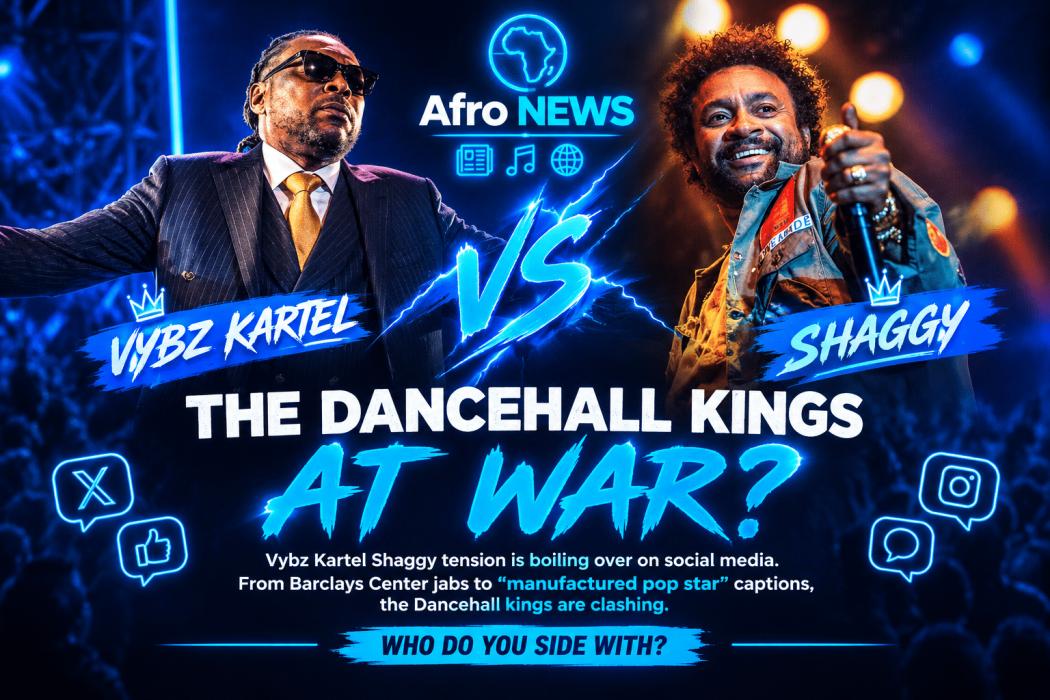
Vybz Kartel Shaggy tension is rising fast across social media, and Dancehall fans cannot look away.

The latest chapter in the “King of Dancehall” debate kicked off when Shaggy made bold claims about the genre’s hierarchy. The Grammy-winning star argued that Dancehall has multiple kings and placed himself right near the top — alongside only Sean Paul and the legendary Bob Marley. That short list left plenty of names out, and the internet noticed.

Shaggy did not stop there. He took aim at Dancehall artists who brag about selling out the Barclays Center in Brooklyn, saying some of them only really have three markets. He then threw down a challenge: try packing a 20,000-capacity show in Lithuania on a Wednesday night.

The comments landed on a very specific group. Vybz Kartel, Alkaline, Mavado and more recently Masicka have all pulled successful crowds at Barclays. The Worl’ Boss, in particular, has made the Brooklyn arena a personal stomping ground with multiple sold-out nights.

Kartel Claps Back

Vybz Kartel did not let the statements slide. He hit Instagram with a snippet of a new unreleased track and dropped a caption that cut deep:

“POV: when you are not a manufactured pop star with little talent and no influence on the culture.”

No names were mentioned, but Dancehall Twitter and Instagram knew exactly who the message was aimed at. The post sent fans into overdrive, with sides quickly forming.

Two Different Thrones

This is more than just shade — it is a clash of two visions of success.

Shaggy represents the global crossover king. Massive international streaming numbers, Grammy wins, and the ability to pack venues in places far outside the usual Dancehall strongholds. His argument is that true reach means moving the culture into markets most artists never touch.

Kartel represents the cultural commander. Street influence, diaspora power, youth connection, and the ability to turn major arenas into pure Dancehall church. For many fans, especially across Africa, the UK and the Caribbean, Kartel still sets the temperature of the genre.

Who Do You Side With?

Is selling out Barclays the ultimate flex, or is packing a coliseum in Lithuania on a random Wednesday the real test of global power?

Is influence measured by streams and passports, or by how hard the streets and the youth respond?

The debate is wide open. Drop your take in the comments — Shaggy or Vybz Kartel? 👀

The only thing certain right now is that Dancehall is once again the centre of the conversation. And when two giants start throwing shade, the whole culture pays attention.

Facebook
Twitter
LinkedIn
September 27, 2026 Stonebwoy Wake Up Still Rising: Why This Defiant Afro-Dancehall Anthem Is Connecting Across the Diaspora

Stonebwoy Wake Up Still Rising: Why This Defiant Afro-Dancehall Anthem Is Connecting Across the Diaspora

Stonebwoy Wake Up Still Rising: Why This Defiant Afro-Dancehall Anthem Is Connecting Across the Diaspora

Stonebwoy Wake Up is proving it has real staying power. Weeks after its release, the hard-hitting Afro-Dancehall anthem from Ghana’s Torcher continues to gain momentum across Africa, the UK, Europe and the wider diaspora.

Released in late August 2026, “Wake Up” finds Stonebwoy in full unapologetic mode. The track is built on explosive production by Selasi Music and carries a clear message of resilience, self-preservation and standing firm against opposition. It is classic Torcher energy — raw, conscious, and uncompromising.

A Message That Travels

What makes Stonebwoy Wake Up connect so strongly is its honesty. From the opening lines, Stonebwoy asserts his identity and refuses to be distracted by noise. He declares himself a conscious artist, a Rasta man, and a fighter who will not be silenced. That stance resonates deeply with listeners who face their own daily battles — whether in Accra, London, Amsterdam or Toronto.

The song’s blend of Dancehall attitude and melodic hooks gives it wide appeal. It feels rooted in Ghanaian and Jamaican traditions while speaking a language that the global African diaspora understands immediately.

Visuals and Momentum

The official music video, directed by Kwaku Kwakye, matches the intensity of the record. Dynamic performance shots and powerful imagery reinforce the song’s defiant spirit. Fans have responded by streaming, sharing and discussing the track across social platforms, keeping it in circulation long after the initial release window.

Why It Still Matters

In a music landscape that often prioritises trends over substance, Stonebwoy Wake Up stands out because it feels real. It does not chase the moment — it claims space. For many in the diaspora, the song serves as both motivation and affirmation: keep going, stay focused, and do not let external pressure define you.

Stonebwoy has built a career on consistency and cultural pride. “Wake Up” continues that path. It reminds listeners that the Torcher is still very much awake — and still speaking directly to those who need to hear it.

Release Information
Single: Wake Up
Artist: Stonebwoy
Producer: Selasi Music
Genre: Afro-Dancehall / Reggae / Dancehall
Release: August 2026
Video Director: Kwaku Kwakye

Stream Stonebwoy Wake Up on all major platforms and keep the message moving.

Facebook
X
LinkedIn
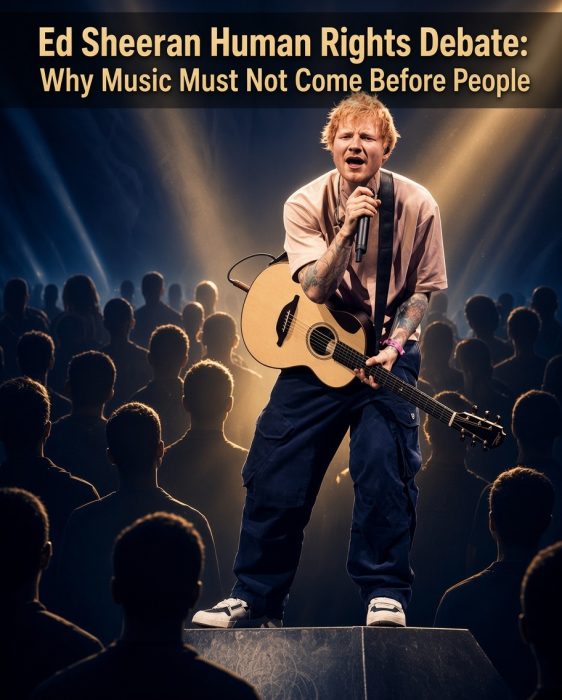
September 27, 2026 Why Ed Sheeran Was Forced to Confront Human Rights on Stage

Why Ed Sheeran Was Forced to Confront Human Rights on Stage

A Musician’s Perspective: When Human Rights Must Come Before the Music

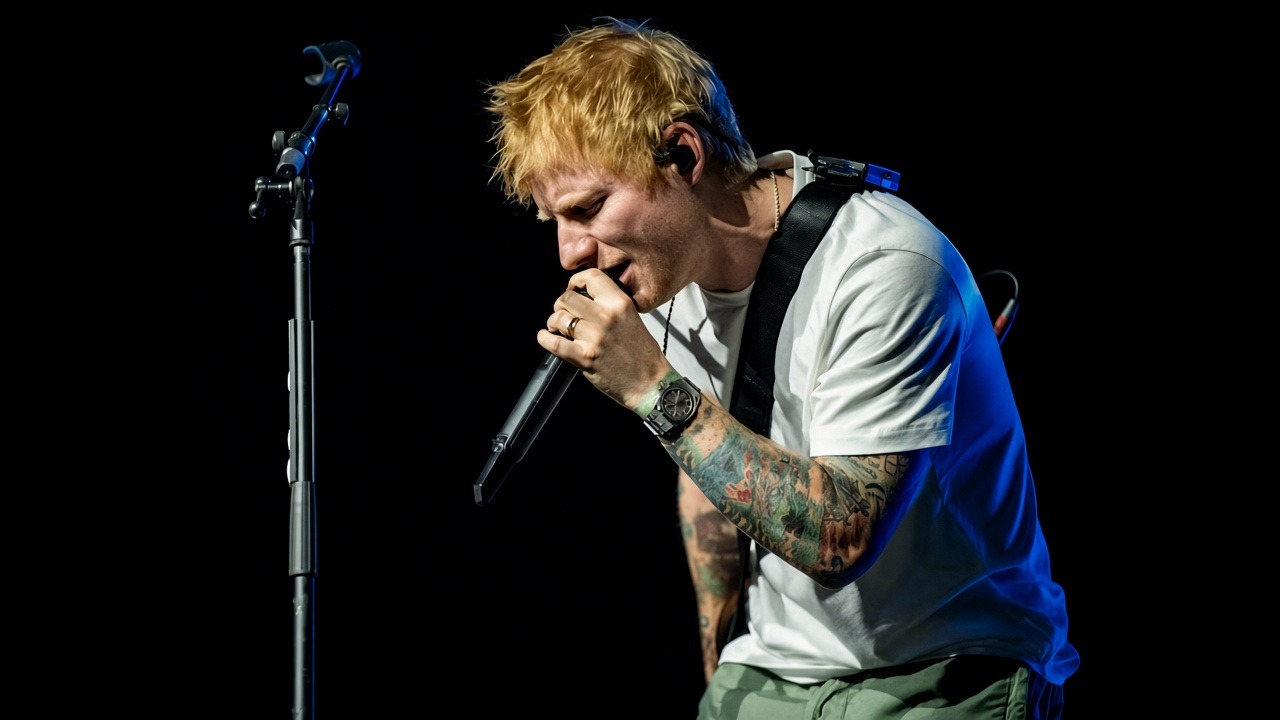
Ed Sheeran has spent most of his career carefully positioning his art as a space of unity. Love songs, hopeful anthems, stadium sing-alongs. He has repeatedly said he never wanted to be an “activist musician.” His shows, in his own words, are meant to be about humanity rather than politics.

That careful line was shattered in September 2026.

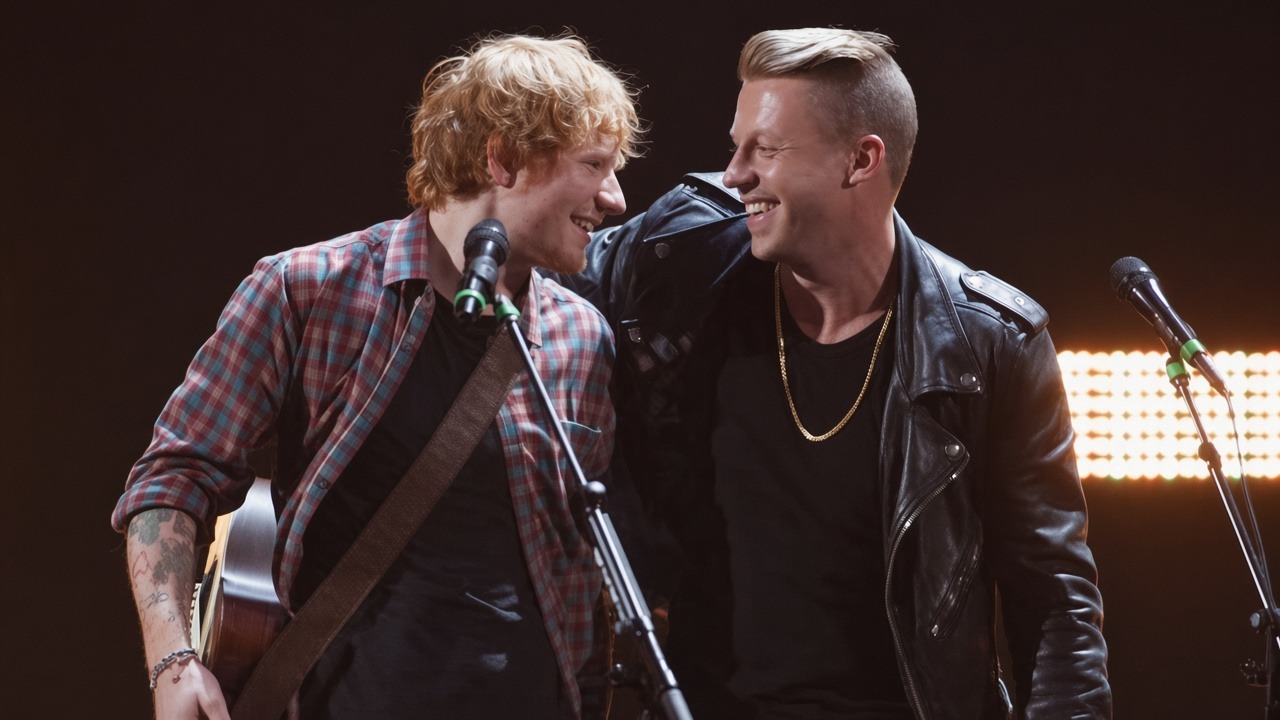
After Macklemore used his opening slot on Sheeran’s Loop tour to say “Free Palestine” and screen images from Gaza, pressure from venue owners — most notably billionaire Robert Kraft — led to Macklemore’s removal. The rest of the support acts and even Sheeran’s Irish backing band then walked off in solidarity. Sheeran was left performing alone, forced to address the crisis on stage in Philadelphia.

He called the 7 October 2023 attacks “horrific” and the situation in Gaza “catastrophic, unjustifiable and disproportionate.” He spoke of broken hearts over the loss of civilian and children’s lives, and of systemic injustice in the West Bank. He also repeated that he still wants his concerts to remain a place where people with opposing views can stand together and listen to songs of love and hope.

From a musician’s perspective, this moment reveals a deeper tension that many artists face: the belief that music should somehow float above human rights.

Music Is Never Neutral

Music has always been political, whether we admit it or not. From Bob Marley’s calls for freedom, to Fela Kuti’s defiance, to the countless African and Caribbean artists who have used riddims and lyrics to speak against oppression, the idea that a stage is a “safe space” free from real-world suffering is a luxury — and often a privilege.

When civilian lives, especially children’s lives, are being lost on a massive scale, the claim that “this is not the place for politics” starts to sound like a choice to protect the brand rather than the principle. Human rights are not a political opinion. They are the baseline.

Sheeran’s stated desire to keep shows free of division is understandable. Fans buy tickets for an emotional escape. Crews depend on the tour for income. Cancelling or confronting powerful venue owners carries real financial and professional risk. Those pressures are real.

But the alternative — allowing commercial interests and venue politics to dictate which human suffering can be named on stage — is far more damaging to the integrity of the art form.

The Cost of Silence

Artists who speak out often pay a price. Careers can be slowed, sponsorships lost, tours restricted. Yet history tends to remember the ones who refused to look away more kindly than those who chose brand safety.

Sheeran’s eventual on-stage comments were more direct than many expected. Calling the situation in Gaza “unjustifiable and disproportionate” while acknowledging Jewish pain from October 7 was an attempt at balance. Still, the sequence of events — removal of a supporting artist for naming a humanitarian crisis, followed by a delayed personal statement — left many feeling that commercial considerations came first.

A musician’s platform is not neutral real estate. It is influence. When that influence is used only for unity songs while actual human rights are treated as too complicated or too risky for the stage, the music itself risks becoming decorative rather than meaningful.

Human Rights Over the Brand

The healthiest perspective from inside the music industry is simple: human rights are not an optional add-on to a tour. They are the foundation that makes art worth making in the first place.

Artists do not have to turn every concert into a political rally. They do, however, have a responsibility not to allow the silencing of those who speak about civilian suffering — especially when the pressure comes from powerful financial interests.

Sheeran’s case is a clear illustration of the conflict. He wanted the music to remain a sanctuary. The moment forced him to confront the reality that sanctuaries built on silence can become complicit.

For musicians watching this unfold, the lesson is uncomfortable but necessary. There will be times when the integrity of the work, and of the people making it, requires putting human rights above the clean, carefully managed image of the show. That choice is rarely easy. It is almost always the one that matters most.


Facebook
X
LinkedIn
September 24, 2026 SAMINI’S “RED” SPARKS MASSIVE #REDRIDDIMCHALLENGE ACROSS SOCIAL MEDIA

SAMINI’S “RED” SPARKS MASSIVE #REDRIDDIMCHALLENGE ACROSS SOCIAL MEDIA

Ghana’s Dancehall icon drops a riddim so hot that artists and fans refuse to stop jumping on it.

Ghanaian reggae and Dancehall heavyweight Samini continues to make waves in 2026 with his album ORIGIN8A, and one track in particular has taken on a life of its own. The song “Red” (widely known as the Red Riddim), produced by longtime collaborator Mix Master Garzy, has ignited a full-blown social media challenge that is still receiving entries months after its release.

The Riddim That Wouldn’t Quit

Released as part of the 16-track ORIGIN8A project earlier this year, “Red” carries the classic Dancehall energy that Samini has perfected over two decades. Built on a hard-hitting, infectious riddim courtesy of Mix Master Garzy, the track quickly moved beyond the album and into the streets and timelines.

By August 2026, the #RedRiddimChallenge (also tagged #redriddim and #red) was in full swing. Artists across Ghana and the diaspora began recording their own verses and freestyles over the beat, posting videos that showcased lyrical skill, dance moves, and pure vibes. The response was so strong that even weeks later, new entries kept flooding in.

Overwhelming Participation

The volume of submissions became so high that Samini and Mix Master Garzy had to call time. In mid-August, the team announced they were randomly selecting just a handful of videos that had already been posted on social media as of August 19, 2026, to be added to an official listing.

Samini’s camp noted the response with a mix of appreciation and amusement, with messages along the lines of “Very interesting how we still keep getting entries… Mix Master Garzy please tell them to stop… Ebei.” Despite the playful plea for people to ease up, the challenge continued to grow, proving just how deeply the riddim connected with listeners and creators.


The message is clear: when the riddim is right, the people will answer — and they are still answering.

Release Information
Track: Red (Red Riddim)
Artist: Samini
Producer: Mix Master Garzy
Album: ORIGIN8A
Genre: Dancehall / Reggae
Year: 2026

Big respect to everyone who jumped on the challenge. The riddim is still red hot.

Facebook
Twitter
LinkedIn
September 22, 2026 DANCEHALL UK FEEDBACK LOOP KEEPS THE CULTURE MOVING

DANCEHALL UK FEEDBACK LOOP KEEPS THE CULTURE MOVING

DANCEHALL UK FEEDBACK LOOP KEEPS THE CULTURE MOVING

From Kingston to London’s biggest stages, Dancehall UK remains the essential bridge — where global stars meet a passionate diaspora audience that still sets the standard for live energy.

Dancehall UK continues to dominate in 2026, and the United Kingdom sits right at the heart of that momentum. The feedback loop is clear: Jamaican artists rise on the global stage, then return to UK arenas, clubs, and carnival celebrations where the culture feels most alive. In return, UK audiences and promoters fuel the next wave of stars.

The King Returns to The O2

Few moments capture this Dancehall UK cycle better than Vybz Kartel’s recent activity in London. In September 2026 the Dancehall icon shared the stage with longtime rival Mavado for the historic Gaza vs Gully show at The O2 Arena — the first time the pair had performed together in nearly two decades. The night turned years of rivalry into pure celebration and proved once again that London remains one of the most important destinations on the Dancehall map.

Kartel had already made history with sold-out O2 dates on his previous Worl’ Boss run. This latest outing reinforced what many UK fans already know: when Dancehall’s biggest names come to Britain, the energy is unmatched.

The Current Wave Riding the Same Circuit

While Kartel commands the arenas, a new generation is building the same Dancehall UK connection. Artists such as Masicka, Shenseea, Skillibeng, and Valiant continue to treat the UK as a priority market. Skillibeng lit up London during Notting Hill Carnival weekend with a high-energy set at KOKO in Camden, bringing out Koffee and local talent for unforgettable moments that mixed Jamaican fire with UK Caribbean pride.

Shenseea remains a global force whose UK performances and collaborations keep her firmly in the conversation, while Masicka’s recent projects have registered strongly on UK streaming charts. These artists show how the Dancehall UK feedback loop works in real time — global visibility leads to UK demand, which in turn strengthens their international standing.

New Names Earning the Spotlight

The next chapter is already writing itself. Emerging talents including Ayetian, Skippa, and Armanii have earned places on major “artists to watch” lists, including Billboard’s 2026 selections. Their rising profiles reflect the same pathway that previous generations followed: authentic Dancehall rooted in Jamaica, amplified by diaspora support in cities like London, Birmingham, and Manchester.

UK promoters and audiences remain central to this process. From arena spectaculars to carnival weekend shows and dedicated bashment nights, the live circuit continues to give Dancehall UK its most passionate reception outside Jamaica.

Why the Loop Still Matters

What makes this relationship special is the cultural depth. UK Caribbean communities do more than buy tickets — they keep the language, the dance, the style, and the energy of Dancehall alive between visits. That grassroots foundation turns every major show into a homecoming and every new single into a shared soundtrack.

In 2026 the pattern is stronger than ever. Global success brings Dancehall stars to the UK. UK love and live power send them back out even bigger. The Dancehall UK loop continues, and the culture keeps moving forward.

For fans in Britain, the message is simple: the biggest stages still belong to those who understand that Dancehall lives strongest when Kingston and London speak the same language.

Facebook
Twitter
LinkedIn
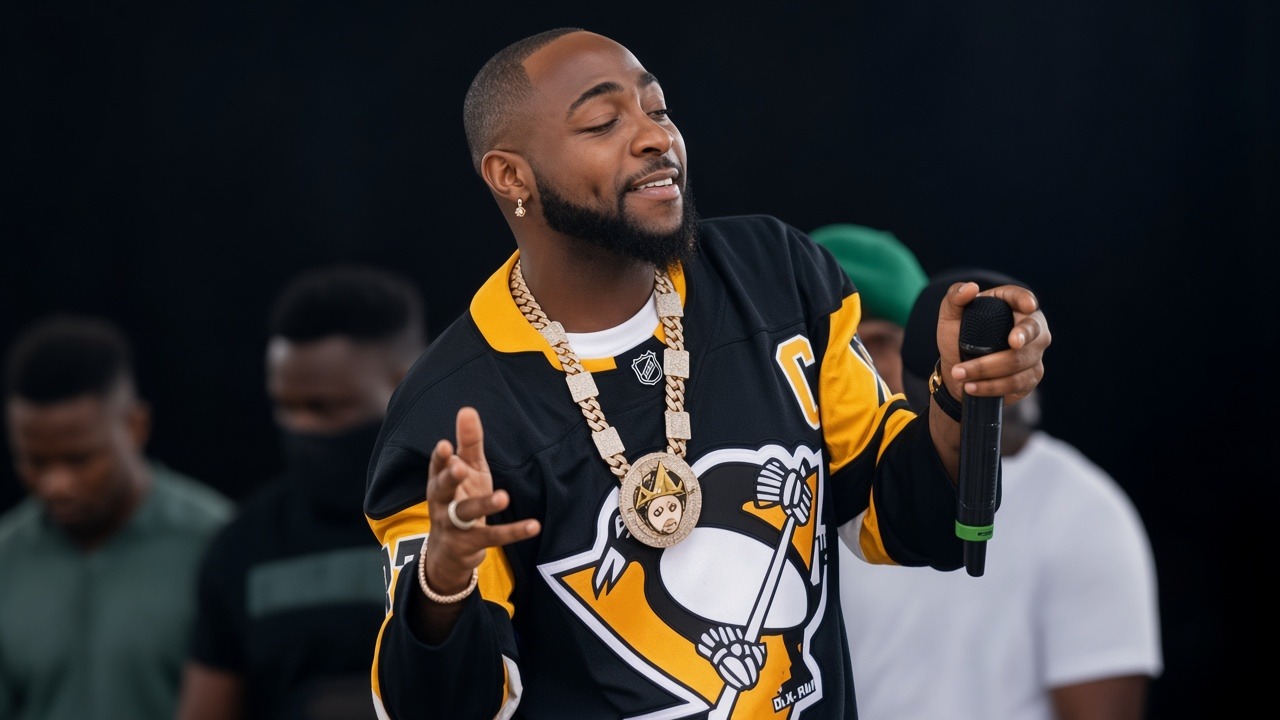
April 5, 2026 Davido to Headline Major UK Festival

Davido to Headline Major UK Festival

Davido to Headline Major UK Festival: Afrobeats’ Growing Influence in Britain

Afrobeats Takes Centre Stage in the UK

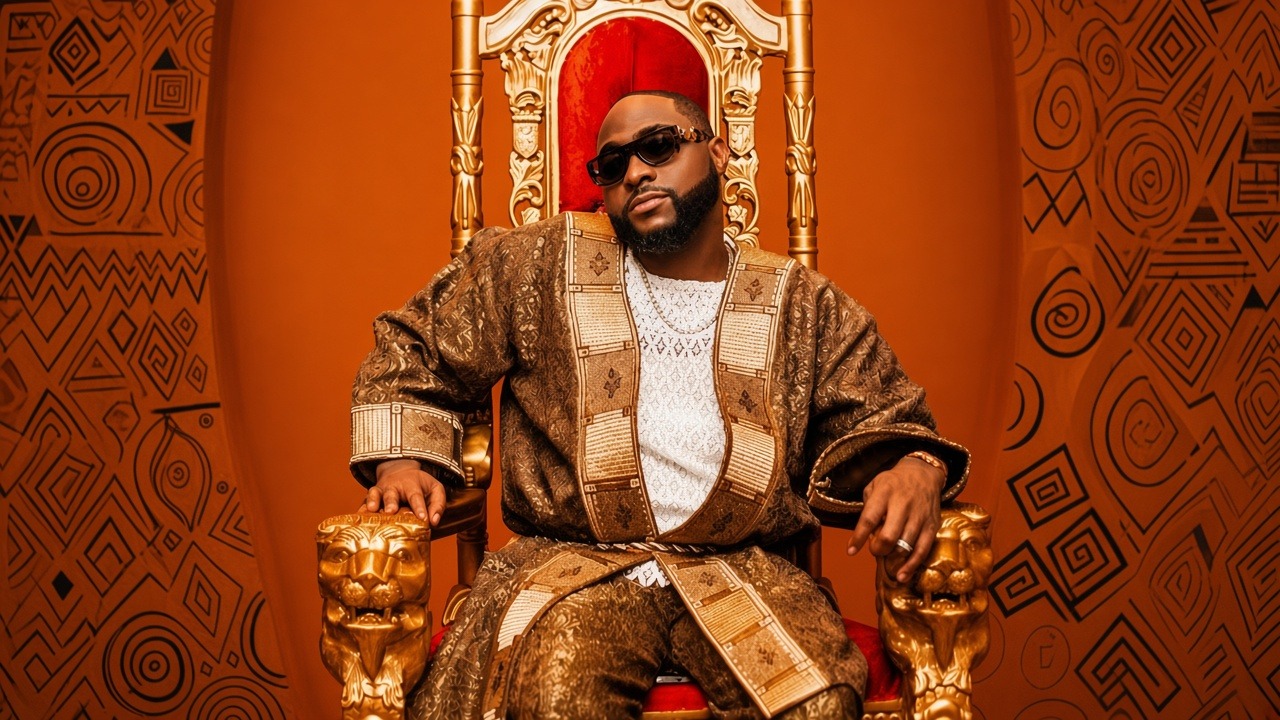
The global rise of Afrobeats has reached a new milestone as Davido is set to headline a major UK festival in 2026. This moment reflects not just his personal success, but the growing dominance of African music across Britain.

From London to Manchester, Afrobeats is no longer a niche genre—it’s now a defining sound of the UK music landscape.

Why Davido’s UK Headline Slot Matters

Davido’s presence at a major UK festival signals a shift in global music power. Once dominated by Western pop acts, UK festivals are now embracing African headliners as key attractions.

This follows years of groundwork laid by artists like Wizkid and Burna Boy, who have sold out arenas and topped charts across the UK.

Davido’s headline performance represents:

  • The mainstream acceptance of Afrobeats
  • The commercial power of African artists
  • The influence of the African diaspora in Britain

The UK: A Second Home for Afrobeats

The UK has become a critical hub for Afrobeats growth, thanks to its large African and Caribbean communities.

Cities like London have played a major role in pushing the genre into clubs, radio stations, and festivals. British audiences have embraced the sound, blending it with grime, drill, and pop influences.

Artists such as Dave and J Hus have also helped bridge the gap between UK rap and Afrobeats, creating a unique hybrid sound.

Streaming Numbers Show Massive Growth

Afrobeats consumption in the UK has surged dramatically over the past few years. Platforms like Spotify and Apple Music report millions of streams for African artists every week.

Songs by Davido consistently trend on UK charts, proving that Afrobeats is no longer just “world music”—it’s mainstream.

Ghana and Nigeria’s Influence on the UK Sound

The UK Afrobeats boom is heavily influenced by music coming out of Nigeria and Ghana.

While Nigeria remains the dominant force, Ghanaian artists are increasingly gaining global attention, contributing fresh sounds and styles that resonate with UK audiences.

This cross-cultural exchange is shaping the future of global music.

What This Means for African Artists

Davido’s UK headline moment opens doors for emerging African artists to reach international audiences.

It also proves that:

  • African artists can headline global stages
  • Afrobeats is a long-term global genre
  • The UK remains a key gateway to worldwide success

Davido headlining a UK festival is more than just a performance—it’s a symbol of Afrobeats’ global takeover.

As African music continues to break barriers, the UK stands at the centre of this cultural movement, connecting Lagos, Accra, and London in one powerful rhythm.

Facebook
Twitter
LinkedIn