languages languagesicone
site loader
site loader
April 8, 2026 Fela Kuti Legacy 2026: Why His Influence Still Shapes Afrobeats Today

Fela Kuti Legacy 2026: Why His Influence Still Shapes Afrobeats Today

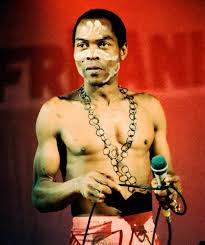
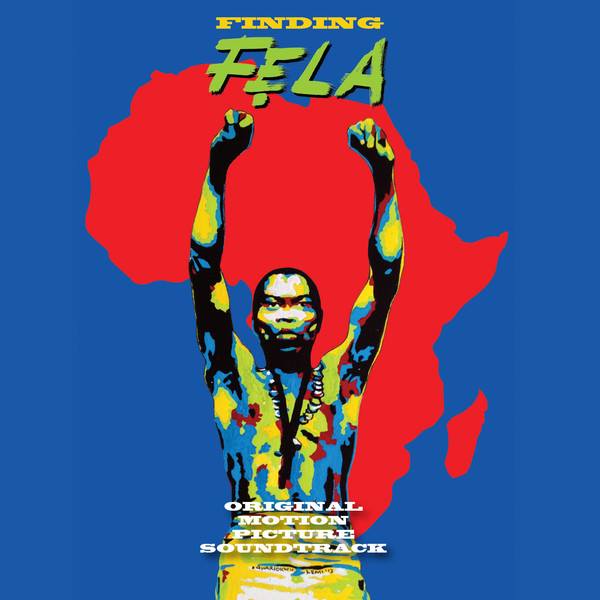
Fela Kuti Legacy 2026: The Father of Afrobeat Lives On
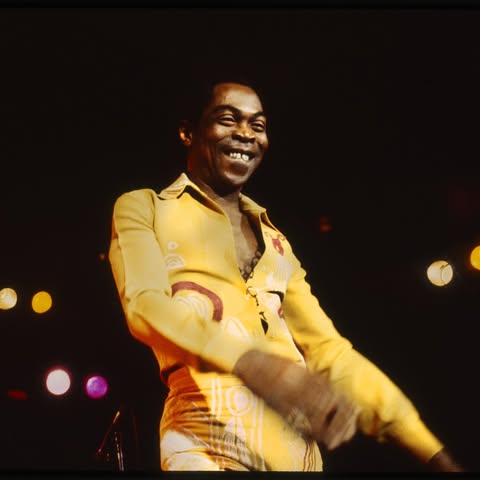
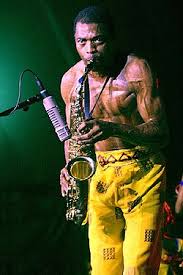
Fela Kuti legacy 2026 remains one of the most powerful forces in global music. Decades after his rise, Fela Kuti continues to influence not only Afrobeats but the entire global soundscape.

Known as the pioneer of Afrobeat, Fela didn’t just create music—he created a movement. His fusion of jazz, funk, and traditional African rhythms gave birth to a genre that still dominates charts today.

The Birth of Afrobeat and a Cultural Revolution

The Fela Kuti legacy 2026 begins with the creation of Afrobeat in the 1970s. At a time when African music was still developing its global identity, Fela introduced a sound that was bold, political, and deeply rooted in African culture.

His music was more than entertainment—it was:

  • A voice for the people
  • A reflection of society
  • A challenge to authority

This fearless approach made Fela a global icon and set the foundation for modern Afrobeats.

How Fela Kuti Legacy 2026 Influences Modern Afrobeats

Today, the Fela Kuti legacy 2026 can be heard in the music of some of the biggest African artists.

Stars like Burna Boy openly credit Fela as a major influence. Burna Boy’s sound, stage presence, and messaging reflect the Afrobeat roots that Fela established.

Other artists across Nigeria, Ghana, and the UK continue to draw inspiration from:

  • Fela’s rhythm and instrumentation
  • His bold storytelling style
  • His global mindset

Even though Afrobeats has evolved into a more commercial and global genre, its DNA still traces back to Fela.

From Lagos to London: A Global Impact

The Fela Kuti legacy 2026 is not limited to Africa—it has spread worldwide.

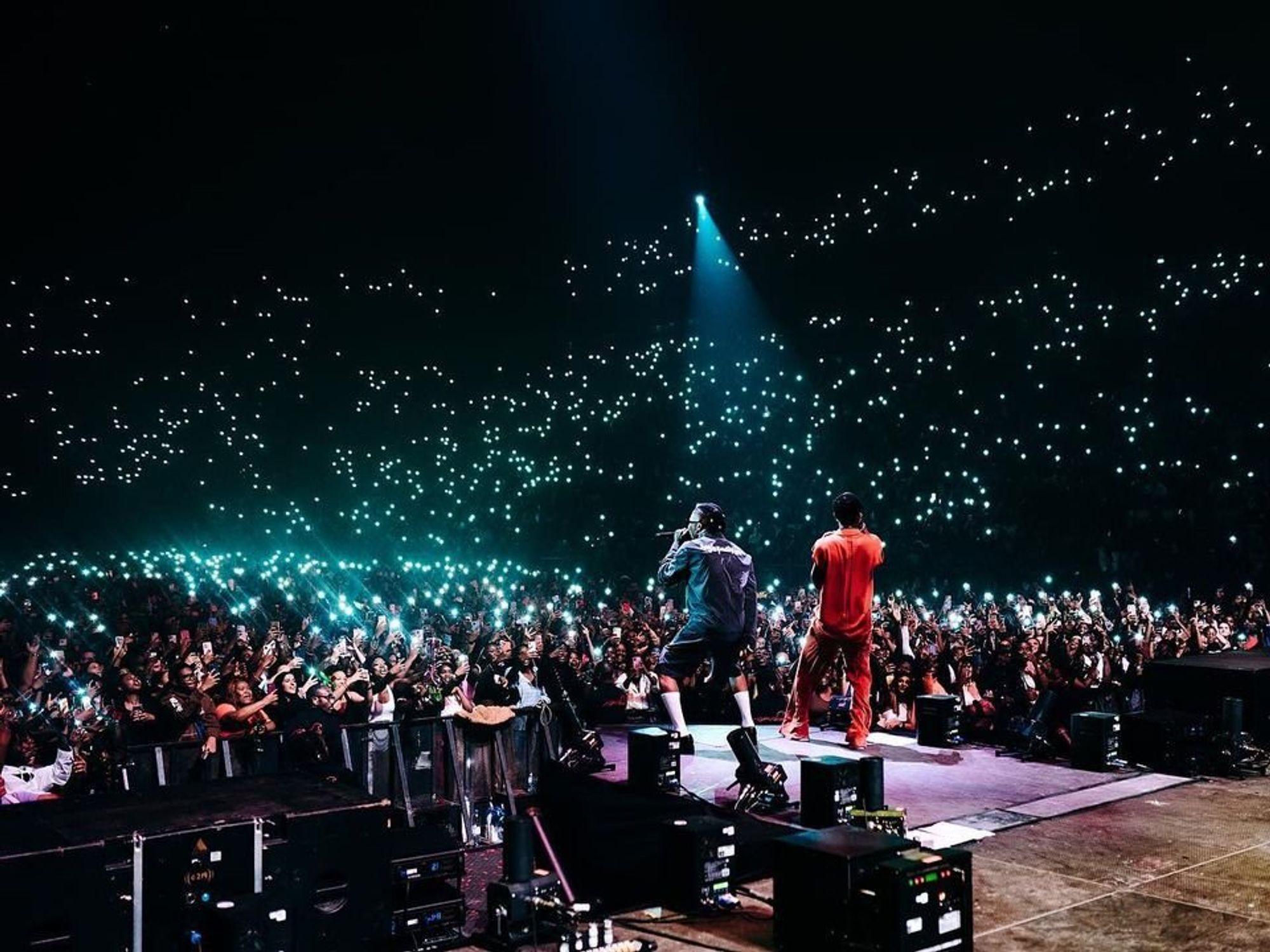
In cities like London, Afrobeats has become a dominant force in clubs, festivals, and charts. This global expansion is built on the foundation Fela created decades ago.

His influence can be seen in:

  • International collaborations
  • Festival performances
  • The global acceptance of African music

Fela turned Afrobeat into a global language, and that impact continues to grow.

More Than Music: A Cultural and Social Icon

The Fela Kuti legacy 2026 goes beyond sound—it represents culture, identity, and resistance.

Fela used his platform to speak on social issues, inspiring generations of artists to use their voices for more than just entertainment.

Today’s artists continue this tradition by:

  • Addressing social issues in their music
  • Representing African identity globally
  • Challenging norms through creativity

This is what makes Fela’s legacy timeless.

Why Fela Kuti Still Matters in 2026

So why does the Fela Kuti legacy 2026 still matter?

Because the global rise of Afrobeats is built on his foundation. Without Fela, the genre as we know it today might not exist.

His influence ensures that:

  • African music continues to evolve
  • New artists stay connected to their roots
  • The culture remains authentic despite global success

Final Thoughts

The Fela Kuti legacy 2026 is not just history—it’s the present and the future of Afrobeats.

As artists continue to push boundaries and take African music to new heights, Fela’s influence remains at the core of it all.

🔥 From Lagos to the world, Fela lives on through every beat.

Facebook
Twitter
LinkedIn
April 8, 2026 Ghanaian Star Moliy Breaks Global Streaming Records

Ghanaian Star Moliy Breaks Global Streaming Records

Moliy Streaming Record: A Historic Moment for Ghana Music

Moliy streaming record is one of the biggest stories in global music right now. Ghanaian star Moliy is making history with record-breaking streams across major platforms, marking a major breakthrough not just for her career—but for African music as a whole.

For years, global recognition in Afrobeats has largely centred around Nigeria. But the Moliy streaming record signals a powerful shift, with Ghana now stepping firmly into the spotlight.

How Moliy Streaming Record Is Changing the Game

The success behind the Moliy streaming record didn’t happen overnight. It’s the result of consistent growth, global appeal, and the power of digital platforms.

Several factors have contributed to this milestone:

🌍 Global Streaming Platforms

Platforms like Spotify and Apple Music have made it easier for artists from Ghana to reach international audiences without traditional barriers.

📱 Social Media Virality

Short-form platforms such as TikTok have played a huge role in pushing Moliy’s music to global audiences, turning songs into viral trends.

Moliy’s music blends Afrobeats, alté, and global pop influences, making it accessible to audiences worldwide.

The Moliy streaming record is bigger than one artist—it represents the rise of Ghana as a global music powerhouse.

Cities like Accra are becoming creative hubs, producing artists who are ready to compete on the world stage.

This shift shows that:

  • Ghanaian artists are gaining international recognition
  • The Afrobeats sound is evolving beyond one country
  • African music is becoming more diverse and competitive

Why Moliy Streaming Record Matters for African Music

The Moliy streaming record proves that the global music industry is changing

Artists no longer need major labels to succeed internationally. With the right song and momentum, anyone can go global.

🌍 2. African Music Is More Global Than Ever

Afrobeats is no longer just a regional genre—it’s a worldwide movement, with fans across Europe, the US, and beyond.

New Artists Can Break Through Faster

Moliy’s success shows that rising stars can achieve global recognition quicker than ever before.

Ghana vs Nigeria: A Healthy Evolution

While Nigeria remains dominant with stars like Burna Boy and Rema, the Moliy streaming record highlights a growing balance in the industry.

Rather than a rivalry, this is a sign of growth. Multiple African countries are now contributing to the global Afrobeats sound, making the genre stronger and more diverse.

The UK Connection: Amplifying the Sound

The success of the Moliy streaming record is also being amplified in the United Kingdom.

In cities like London:

  • DJs are playing her music in clubs
  • Fans are streaming her tracks in large numbers
  • The diaspora community is pushing Ghanaian music forward

The UK continues to act as a bridge between African artists and global audiences.

The Moliy streaming record is more than just a number—it’s a symbol of change.

It shows that:

  • Ghanaian music is reaching new heights
  • African artists are breaking global barriers
  • The future of Afrobeats is expanding beyond borders

As the global music landscape continues to evolve, Moliy’s success marks a turning point that could redefine African music for years to come.

🔥 From Accra to the world, the sound of Ghana is louder than ever.

Facebook
Twitter
LinkedIn
April 7, 2026 Wireless Festival Ye Debate: Why Music Must Stay Free for the People

Wireless Festival Ye Debate: Why Music Must Stay Free for the People

Wireless Festival Ye Debate: Music vs Politics

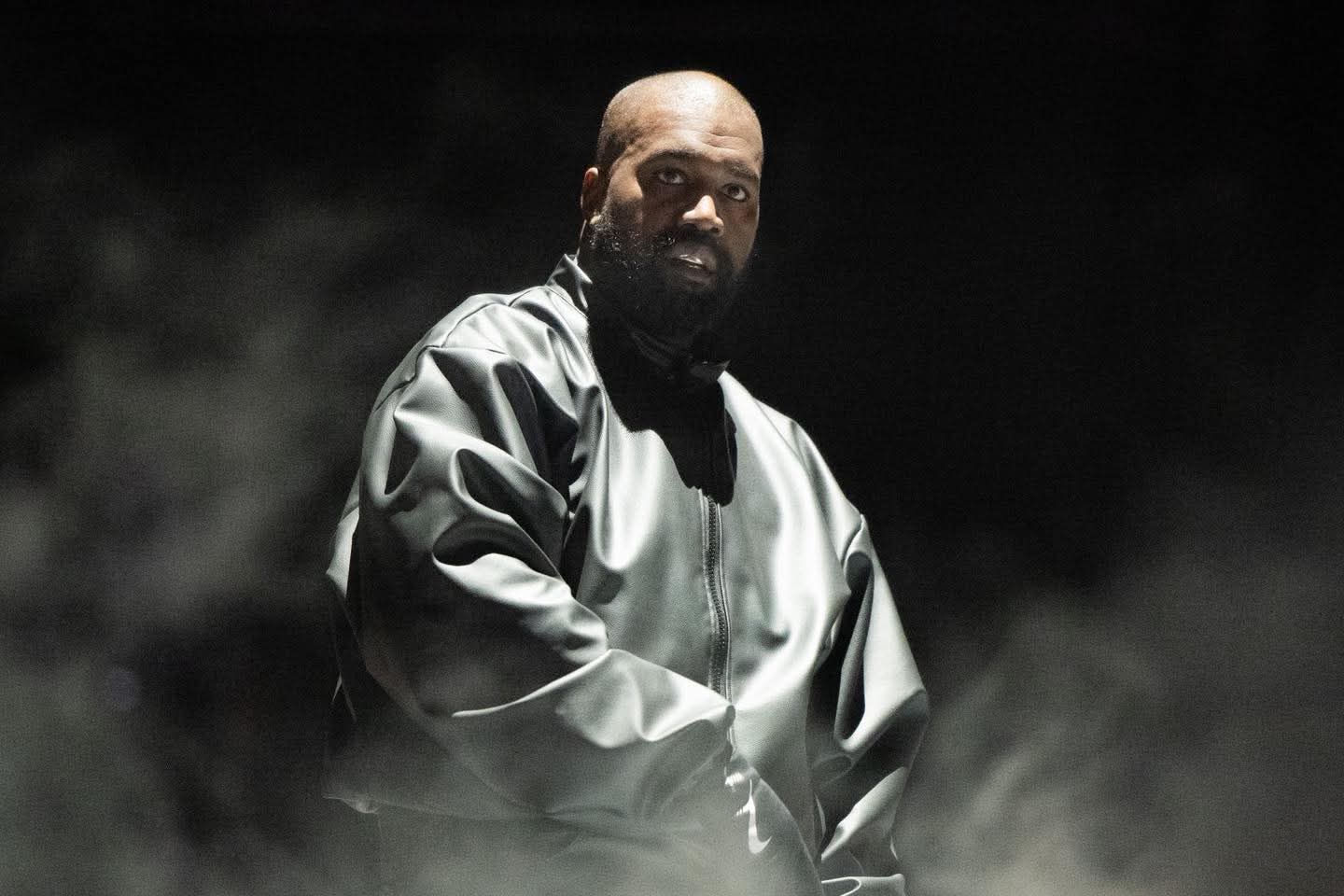
The Wireless Festival Ye debate has taken over headlines in the UK, with politicians like Wes Streeting criticising organisers for booking Ye.

But beyond politics, many fans are asking a different question:

👉 Should music be controlled by politics—or should it remain a space for freedom and expression?

At its core, music has always belonged to the people—not governments, not institutions, and not political narratives.

Music Has Always Been a Voice of Freedom

From hip-hop to Afrobeats, music has long been a platform for creativity, rebellion, and storytelling.

Artists like Kanye West (Ye) have built careers on pushing boundaries—sometimes controversial, often uncomfortable, but always influential.

Festivals like Wireless Festival represent that same spirit:

  • A space for diverse voices
  • A celebration of culture
  • A platform for global sounds

Limiting who can perform risks turning music into something controlled rather than expressive.

3
Created by Rodney King
Wireless Festival Ye Debate: Let Fans Decide!

👉 Should artists be banned from festivals?

Yes

No

Let fans decide

Fans, Not Politics, Drive Music Culture

While politicians debate, fans are the ones who:

  • Buy tickets
  • Stream music
  • Create viral trends

In cities like London, music culture is shaped by the people—especially young audiences and diaspora communities who see festivals as more than entertainment.

They are:

  • Cultural gatherings
  • Identity spaces
  • Creative movements

The energy around Wireless Festival reflects this reality: it’s about the crowd, not the commentary.

The Role of Festival Organisers

Despite criticism, organisers behind Wireless Festival have defended their decision, emphasising artistic freedom.

From a creative perspective, booking a global artist like Ye:

  • Drives conversation
  • Attracts global attention
  • Reflects real-world culture (not a filtered version of it)

Music festivals are not meant to be safe spaces for politics—they are meant to be raw, real, and reflective of the world we live in.

Music vs Division: What People Really Want

Many fans argue that music should unite, not divide.

At a time when global conversations are often dominated by conflict, politics, and division, music offers something different:

  • Connection
  • Escape
  • Expression

The Wireless Festival Ye debate highlights a deeper issue—whether creative spaces are being overshadowed by political narratives.

Power to the Music: A Cultural Movement

Across the UK and beyond, there’s a growing belief:

👉 Music belongs to the people.

Genres like Afrobeats, hip-hop, and drill have grown because of community—not politics.

Artists, DJs, and fans continue to push culture forward regardless of controversy.

This is why festivals matter:

  • They amplify voices
  • They celebrate diversity
  • They create moments that live beyond headlines

Let the Fans Decide

Ultimately, the success of any artist or performance comes down to the audience.

If fans show up, stream the music, and engage with the culture, that’s what defines relevance—not political approval.

The Wireless Festival Ye debate may continue in the media, but on the ground, the energy tells a different story.

Music has never been about perfection—it’s about expression.

The conversation around Ye and Wireless Festival reflects a larger cultural moment where creativity and control are colliding.

But one thing remains clear:

🔥 Power to the music. Power to the people.

Facebook
Twitter
LinkedIn
April 7, 2026 Nigerian Star Shoday’s “Paparazzi” Hits No.1

Nigerian Star Shoday’s “Paparazzi” Hits No.1

Nigerian Star Shoday’s “Paparazzi” Hits No.1: Why It’s the Biggest Song Right Now

Shoday Paparazzi is officially one of the biggest songs of 2026, and it’s impossible to ignore. Nigerian rising star Shoday has exploded onto the global music scene with a track that’s dominating playlists, clubs, and social media.

From Nigeria to the United Kingdom, “Paparazzi” has become a cultural moment, proving how quickly Afrobeats can produce global hits in the digital era.


The success of Shoday Paparazzi isn’t accidental—it’s built on the perfect mix of sound, timing, and viral momentum.

The song features a catchy, repeatable hook that fits perfectly into short-form content. On platforms like TikTok and Instagram Reels, users are creating thousands of videos using the track, boosting its visibility globally.
“Paparazzi” delivers a high-energy Afrobeats rhythm that works both in clubs and online. DJs across major cities are spinning the track, making it a nightlife favourite.
The song’s rapid rise has been powered by influencers, DJs, and fans sharing clips, dances, and reactions. This organic buzz has helped the track break into new markets quickly.


From Nigeria to London: A Global Breakout

What makes Shoday Paparazzi special is how fast it crossed borders. While it started gaining traction in Nigeria, it didn’t stay local for long.

In London, the song is already a club anthem, played at parties, events, and Afrobeats nights. The UK’s strong African diaspora community has played a key role in amplifying the track’s reach.

This pattern reflects a larger trend—Afrobeats hits are no longer confined to one country. A viral moment in Lagos can quickly become a global sensation.


Shoday Paparazzi also highlights a major shift in the music industry: new artists can now break through faster than ever.

Unlike previous eras, where artists needed years to gain recognition, platforms like TikTok and Spotify allow songs to explode overnight.

Shoday’s success proves that:

  • Viral moments can create global stars instantly
  • Independent artists have more opportunities than ever
  • Afrobeats continues to evolve with new voices


What This Means for Afrobeats in 2026

The success of Shoday Paparazzi is part of a bigger story. Afrobeats is no longer just a regional genre—it’s a global powerhouse.

With artists from Nigeria, Ghana, and the UK contributing to its growth, the genre is becoming more diverse and competitive.

Tracks like “Paparazzi” show that:

  • The next global hit can come from anywhere
  • Social media is shaping music success
  • Fans are discovering music faster than ever


So why is Shoday Paparazzi the biggest song right now?

Because it combines everything needed for a modern hit: a viral hook, a danceable beat, and massive online momentum.

As Afrobeats continues to dominate globally, Shoday’s breakout moment could be just the beginning of a much bigger career.

Facebook
Twitter
LinkedIn
April 5, 2026 Ghana Afrobeats 2026: Is Ghana Taking Over Afrobeats from Nigeria?

Ghana Afrobeats 2026: Is Ghana Taking Over Afrobeats from Nigeria?

Ghana Afrobeats 2026: A New Power Shift in African Music

Ghana Afrobeats 2026 is quickly becoming one of the biggest talking points in global music. For years, Nigeria has dominated the Afrobeats scene, producing global superstars and chart-topping hits. But in 2026, the spotlight is shifting toward Ghana—and more specifically, Accra.

With viral songs, innovative production styles, and growing international appeal, Ghanaian artists are making a strong case as the next leaders of Afrobeats.

Why Ghana Afrobeats 2026 Is Trending Worldwide

The rise of Ghanaian stars like Moliy is redefining the global perception of Afrobeats. Her streaming success across platforms has proven that Ghanaian music is no longer emerging—it has arrived.

Several factors are driving the Ghana Afrobeats 2026 wave:

  • Fresh and experimental sound: Ghanaian artists are blending Afrobeats with amapiano, alté, and global pop influences
  • Diaspora influence: Strong support from UK and US audiences is pushing Ghanaian tracks into global charts
  • Social media virality: Platforms like TikTok are accelerating the reach of Ghanaian songs worldwide
  • Cultural authenticity: Ghanaian music is resonating with younger audiences seeking new sounds

Is Nigeria Losing Its Afrobeats Dominance?

Despite the rise of Ghana Afrobeats 2026, Nigeria remains a powerhouse in the industry. Global stars like Burna Boy and Rema continue to dominate charts and sell out international venues.

However, some fans and critics argue that parts of the Nigerian Afrobeats scene are becoming predictable. This has created space for Ghana’s more experimental and diverse sound to stand out.

Rather than a decline, this may represent a natural evolution—where multiple countries contribute to shaping the future of Afrobeats.

How the UK Is Fueling Ghana Afrobeats 2026

The Ghana Afrobeats 2026 surge is being amplified significantly in the United Kingdom, especially in cities like London.

The UK plays a critical role due to:

  • A large African diaspora community
  • Influential DJs and radio platforms
  • Strong club and festival culture

British audiences are embracing Ghanaian music, helping it cross over into mainstream playlists and charts. This connection between Accra and London is shaping a new global sound.


Ghana vs Nigeria: Competition or Collaboration?

The narrative around Ghana Afrobeats 2026 often focuses on competition with Nigeria, but the reality is more complex.

Afrobeats thrives on collaboration. Artists from Ghana and Nigeria frequently work together, blending styles and expanding their reach. This cross-border creativity is one of the genre’s greatest strengths.

Instead of a rivalry, what we’re seeing is a shared evolution of African music on a global stage.


What Ghana Afrobeats 2026 Means for the Future

The rise of Ghana Afrobeats 2026 signals a broader shift in the music industry:

  • African music is becoming more diverse and globally competitive
  • New markets like Ghana are gaining international recognition
  • The UK remains a key gateway for global success

For emerging artists, this moment represents opportunity. The barriers to global success are lower than ever, and audiences are more open to discovering new sounds. So, is Ghana taking over Afrobeats in 2026?Not entirely—but Ghana Afrobeats 2026 is undeniably reshaping the conversation. Rather than replacing Nigeria, Ghana is helping expand the genre’s global influence.

As Afrobeats continues to evolve, one thing is certain: the future of African music will be defined by innovation, collaboration, and global connection.


Facebook
Twitter
LinkedIn
April 5, 2026 Davido to Headline Major UK Festival

Davido to Headline Major UK Festival

Davido to Headline Major UK Festival: Afrobeats’ Growing Influence in Britain

Afrobeats Takes Centre Stage in the UK

The global rise of Afrobeats has reached a new milestone as Davido is set to headline a major UK festival in 2026. This moment reflects not just his personal success, but the growing dominance of African music across Britain.

From London to Manchester, Afrobeats is no longer a niche genre—it’s now a defining sound of the UK music landscape.

Why Davido’s UK Headline Slot Matters

Davido’s presence at a major UK festival signals a shift in global music power. Once dominated by Western pop acts, UK festivals are now embracing African headliners as key attractions.

This follows years of groundwork laid by artists like Wizkid and Burna Boy, who have sold out arenas and topped charts across the UK.

Davido’s headline performance represents:

  • The mainstream acceptance of Afrobeats
  • The commercial power of African artists
  • The influence of the African diaspora in Britain

The UK: A Second Home for Afrobeats

The UK has become a critical hub for Afrobeats growth, thanks to its large African and Caribbean communities.

Cities like London have played a major role in pushing the genre into clubs, radio stations, and festivals. British audiences have embraced the sound, blending it with grime, drill, and pop influences.

Artists such as Dave and J Hus have also helped bridge the gap between UK rap and Afrobeats, creating a unique hybrid sound.

Streaming Numbers Show Massive Growth

Afrobeats consumption in the UK has surged dramatically over the past few years. Platforms like Spotify and Apple Music report millions of streams for African artists every week.

Songs by Davido consistently trend on UK charts, proving that Afrobeats is no longer just “world music”—it’s mainstream.

Ghana and Nigeria’s Influence on the UK Sound

The UK Afrobeats boom is heavily influenced by music coming out of Nigeria and Ghana.

While Nigeria remains the dominant force, Ghanaian artists are increasingly gaining global attention, contributing fresh sounds and styles that resonate with UK audiences.

This cross-cultural exchange is shaping the future of global music.

What This Means for African Artists

Davido’s UK headline moment opens doors for emerging African artists to reach international audiences.

It also proves that:

  • African artists can headline global stages
  • Afrobeats is a long-term global genre
  • The UK remains a key gateway to worldwide success

Davido headlining a UK festival is more than just a performance—it’s a symbol of Afrobeats’ global takeover.

As African music continues to break barriers, the UK stands at the centre of this cultural movement, connecting Lagos, Accra, and London in one powerful rhythm.

Facebook
Twitter
LinkedIn
March 23, 2026 Samini Secures 5 TGMA Nominations as ORIGIN8A Album Makes Strong Impact

Samini Secures 5 TGMA Nominations as ORIGIN8A Album Makes Strong Impact

Samini celebrates achievements and collaborations

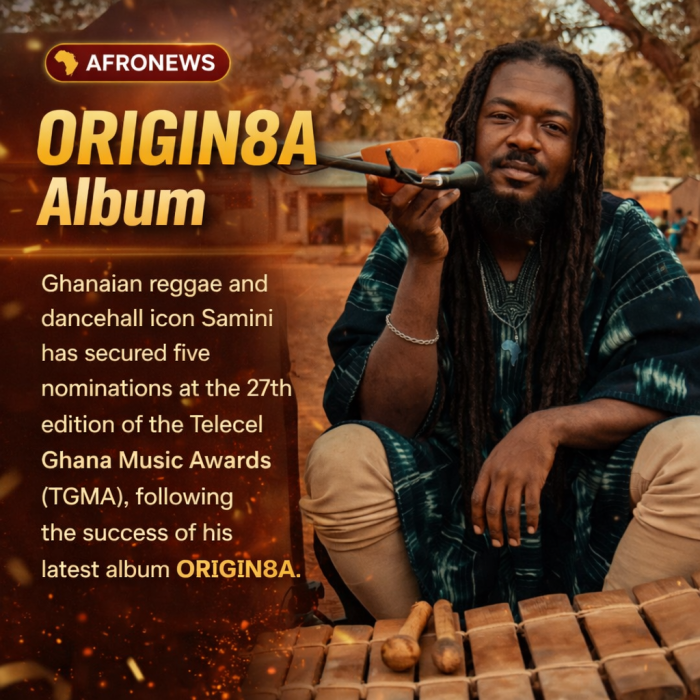
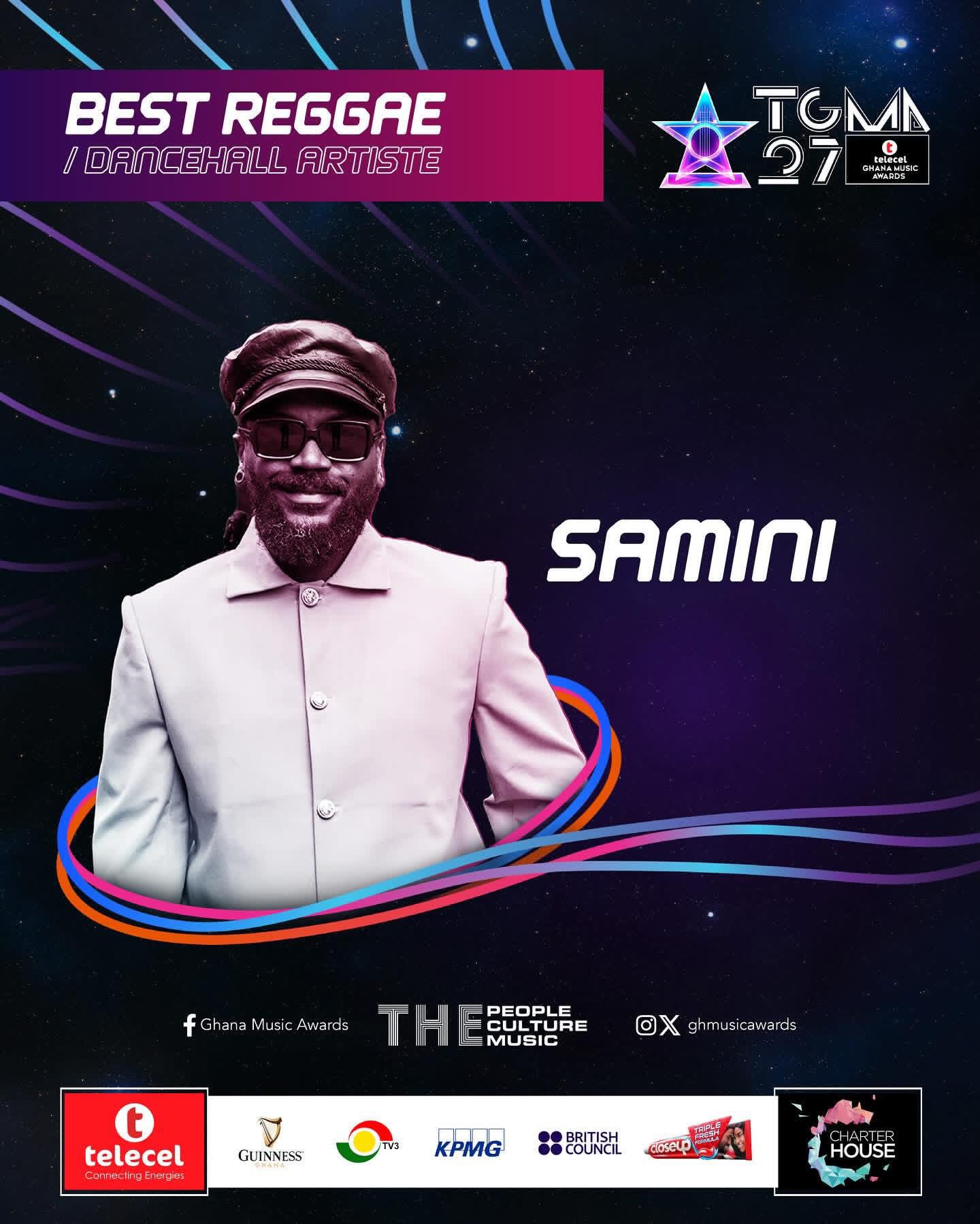
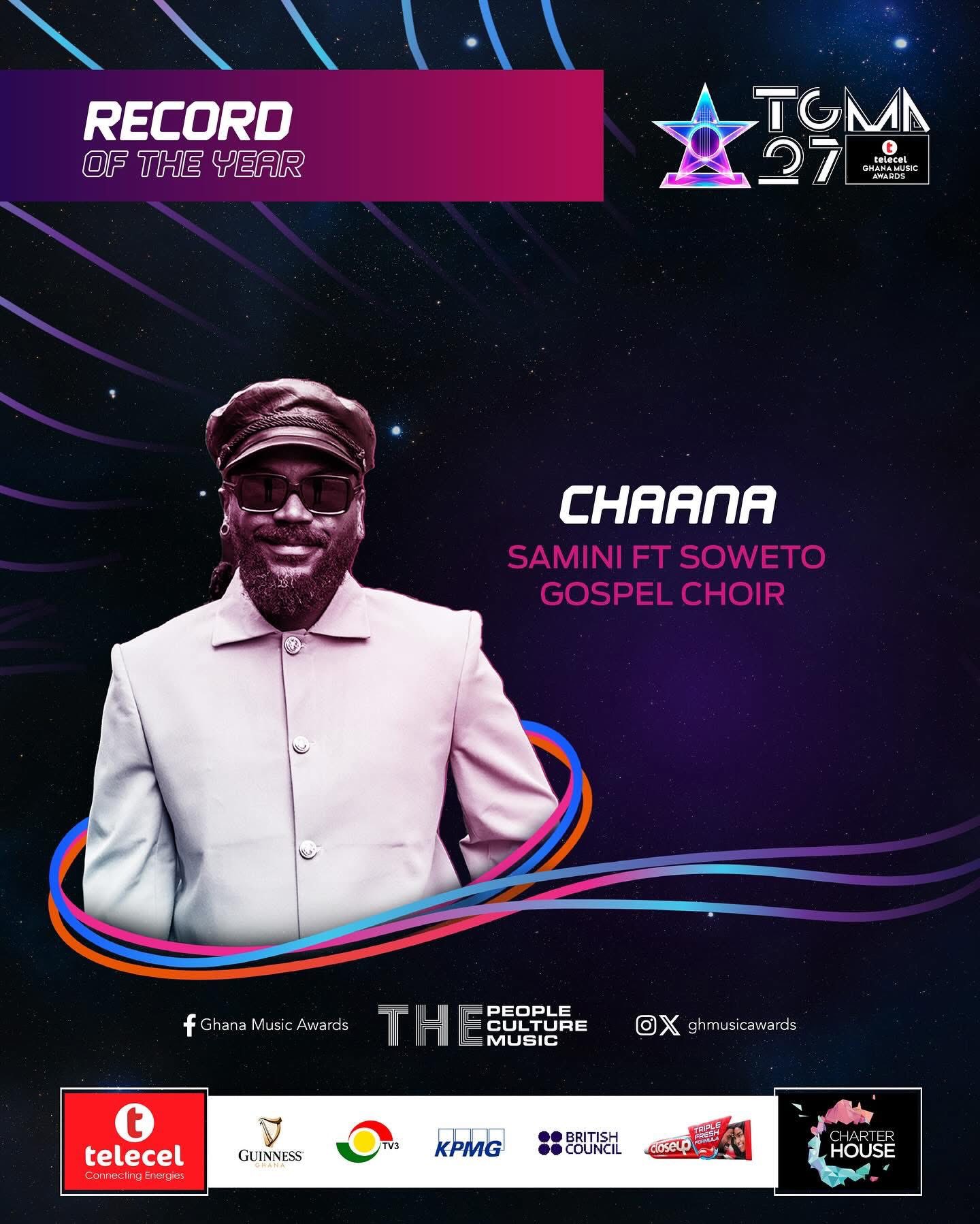
Ghanaian reggae and dancehall icon Samini has secured five nominations at the 27th edition of the Telecel Ghana Music Awards (TGMA), following the success of his latest album ORIGIN8A.

The nominations highlight the continued relevance of the veteran artist, with ORIGIN8A proving to be one of the most impactful projects in Ghana’s music scene over the past year.

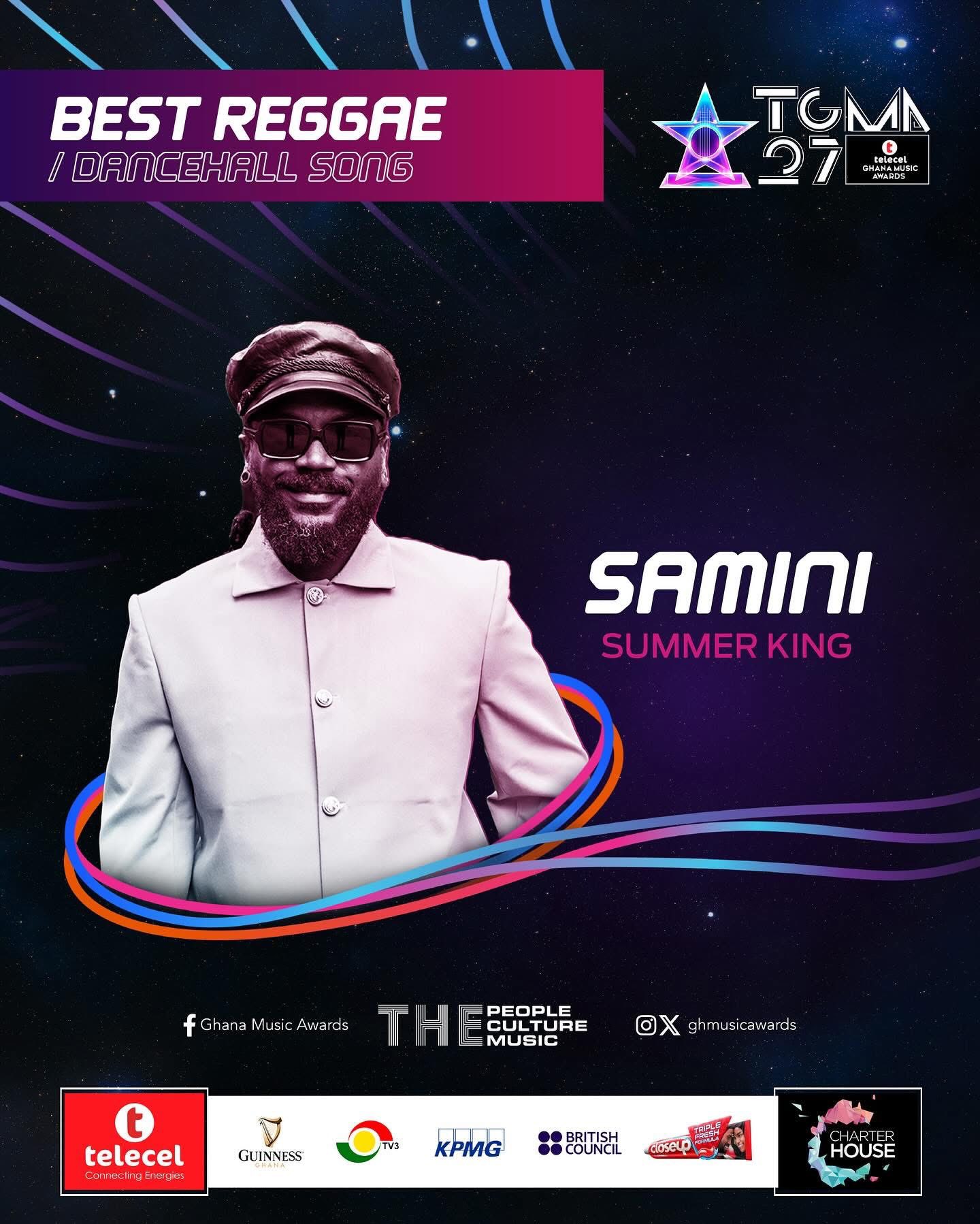
Samini’s nominations come from two standout singles released from the album during the year under review:

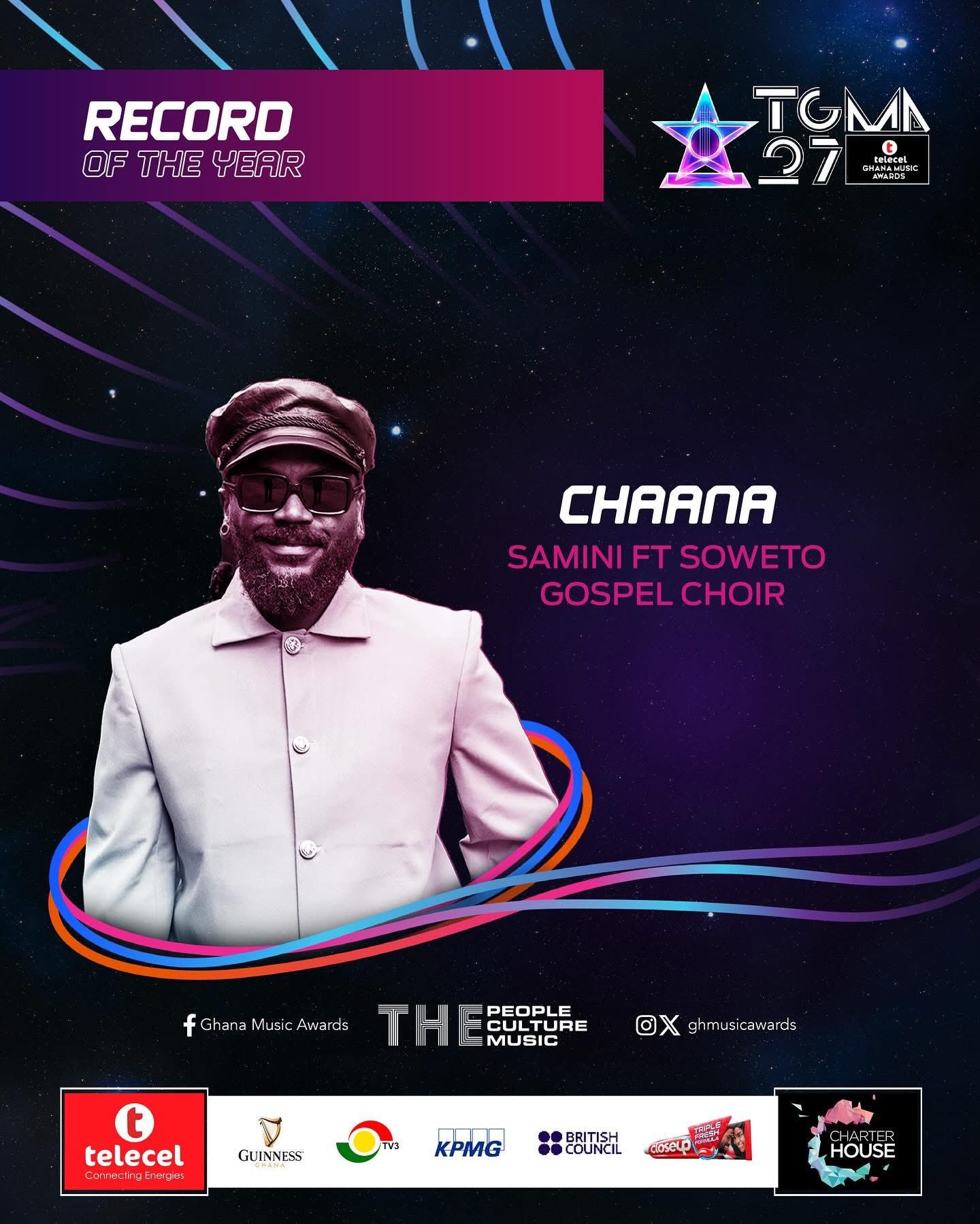
  • Record of the Year – “CHAANA”
  • Best Music Video – “CHAANA”
  • Best Reggae/Dancehall Song – “SUMMER KING”
  • Best Reggae/Dancehall Artiste – Samini
  • Audio Engineer of the Year – “CHAANA” (Produced by Francis Kweku Osei)

These nominations reflect both the artistic and technical strength of the project.

Released on 13 March 2025, “CHAANA” quickly emerged as one of the standout songs from ORIGIN8A.

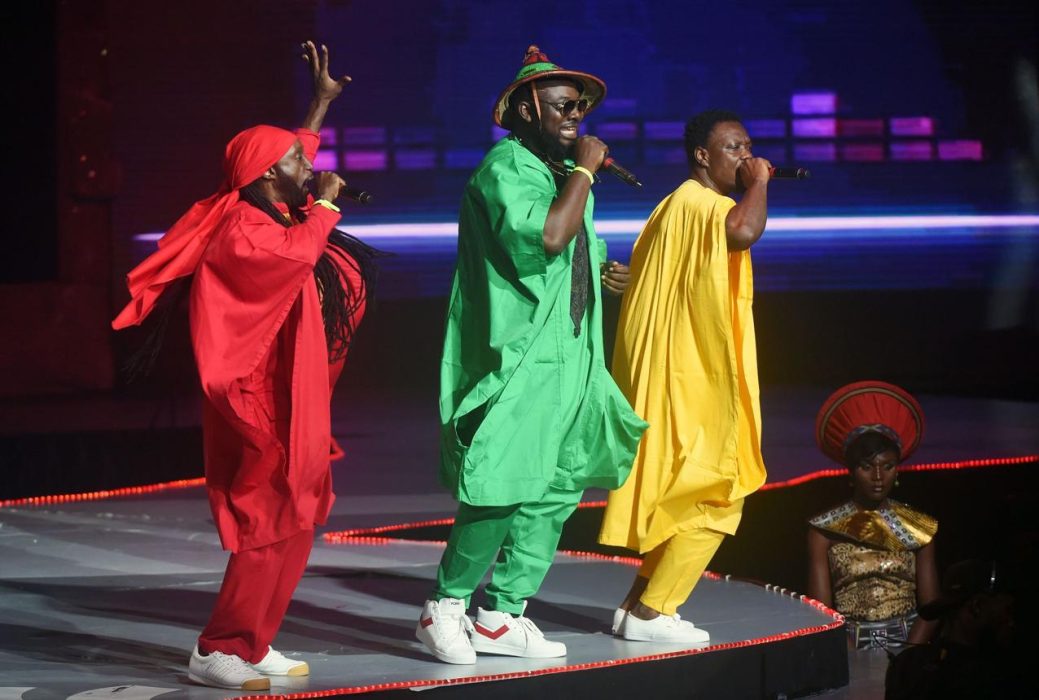
The track features the internationally acclaimed Soweto Gospel Choir and blends Afro-pop with African dancehall influences, delivering a powerful message of African pride and unity.

Its global appeal and high-quality production helped secure multiple award nominations, including recognition for sound engineering.

The second single, “SUMMER KING,” released on 24 July 2025, has also gained strong traction among reggae and dancehall audiences.

The track has become one of the most popular releases in the genre over the past year, reinforcing Samini’s dominance in Ghana’s dancehall space.

The ORIGIN8A album represents a major milestone in Samini’s career, blending elements of Highlife, Afrobeats, Amapiano, Afropop and reggae.

The project also features collaborations with artists he has mentored over the years, including:

  • Stonebwoy
  • Kofi Kinaata
  • Kaakie
  • Mugeez

This reinforces Samini’s influence in shaping the next generation of Ghanaian music.


Countdown to TGMA 2026

The Telecel Ghana Music Awards, organised by Charterhouse Productions, remains the most prestigious awards platform in Ghana’s music industry.

With five nominations already secured, attention now turns to whether Samini will convert this recognition into major wins on the night.


With ORIGIN8A gaining critical and commercial success, Samini continues to prove that longevity, evolution and influence remain key pillars of his career.

As TGMA 2026 approaches, fans will be watching closely — but one thing is already clear: Samini is still a major force in African music. 

Facebook
Twitter
LinkedIn
March 23, 2026 Afroman Drops “Batterram Hymn” Video as Viral Police Raid Case Sparks Debate

Afroman Drops “Batterram Hymn” Video as Viral Police Raid Case Sparks Debate

Afroman Batterram Hymn: New Video Sparks Debate Over Viral Police Raid Case

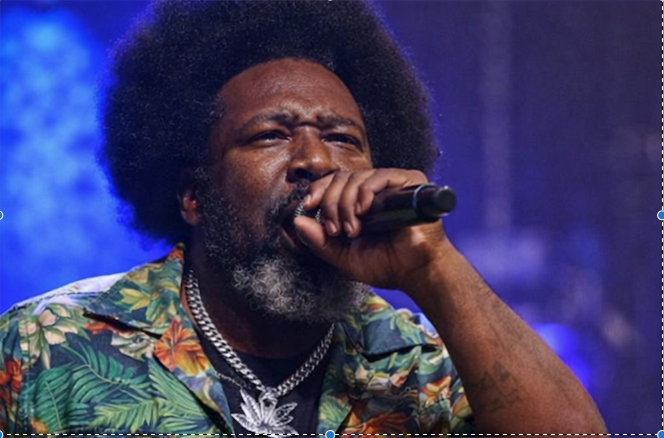
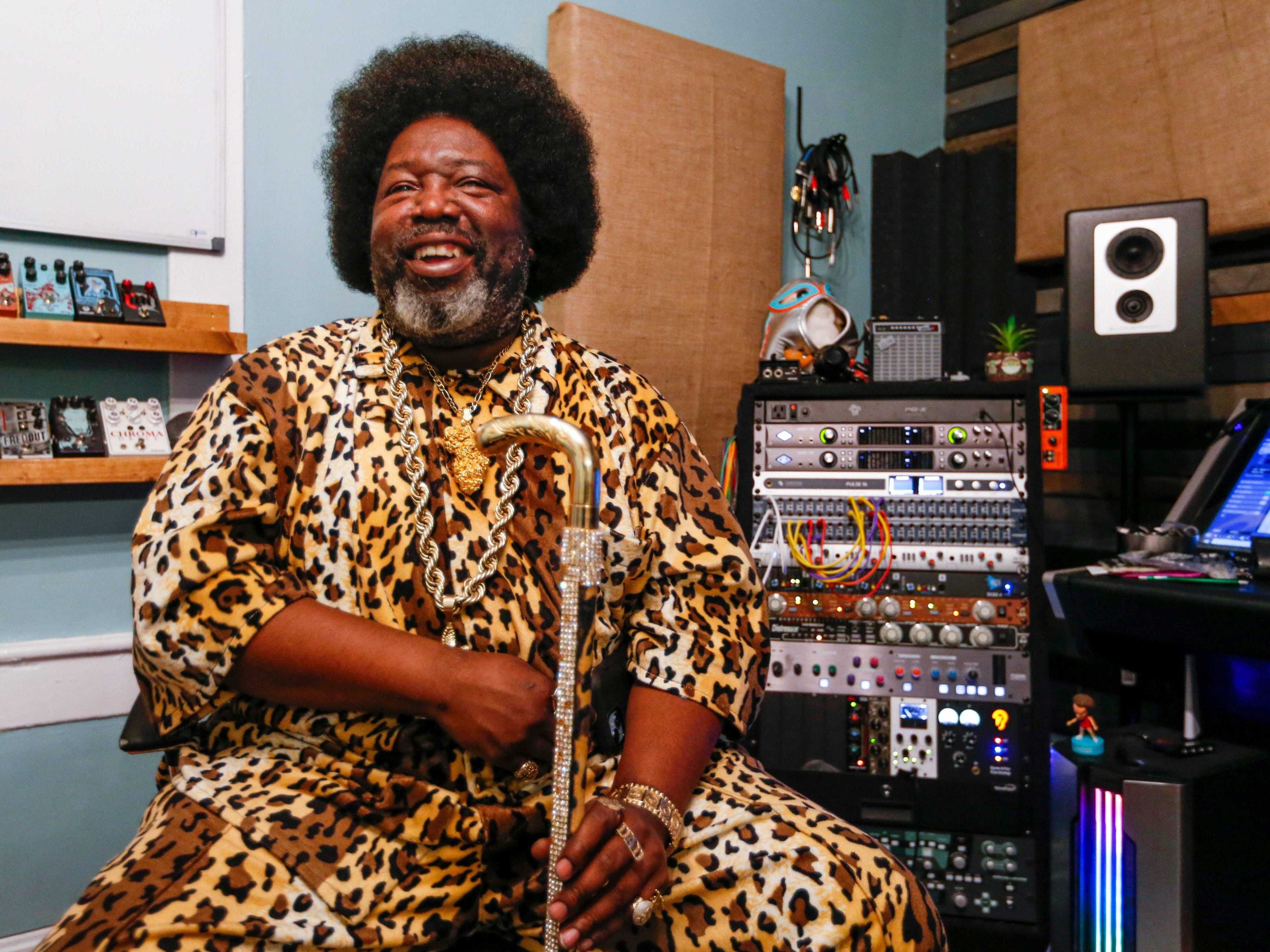
NEW VIDEO — US rapper Afroman is back in the spotlight after releasing a controversial new track and video titled “Batterram Hymn of the Police Whistleblower”, as his ongoing legal battle with law enforcement continues to fuel viral conversations online.

The song, taken from his upcoming album “Freedom of Speech,” is already generating buzz across social media, with fans reacting to its bold lyrics, real-life references, and unfiltered storytelling.


The newly released video — now streaming on YouTube via OGAfroman — revisits the now-viral police raid on Afroman’s home, which sparked widespread debate after footage from his own security cameras surfaced online.

The visuals include dramatic reenactments and clips inspired by the incident, with Afroman directly addressing the officers involved — particularly one officer featured emotionally during court proceedings.

The rapper doesn’t hold back.

In the track, he questions the actions of the officers during the raid, referencing claims that:

  • Officers entered his home and confiscated money
  • Security cameras were allegedly disconnected
  • Personal items — including his now-infamous lemon pound cake — were handled during the search


⚖️ The Court Case Behind the Music

The controversy stems from a real-life police raid that took place at Afroman’s property in Adams County, Ohio, which later went viral after the artist used his own surveillance footage in music videos and online content.

Following the incident, several officers reportedly filed a lawsuit against the rapper, alleging emotional distress and invasion of privacy after being featured in his content.

Afroman, however, has pushed back strongly — using both his music and public statements to defend his actions and question the legitimacy of the raid.

The situation escalated further when clips surfaced online showing an officer appearing emotional in court, which Afroman has now referenced in his new track — sparking intense reactions from fans.

The release of “Batterram Hymn of the Police Whistleblower” has triggered mixed reactions:

  • Some fans praise Afroman for speaking out and using music as protest
  • Others question the tone and approach of the video
  • Many are debating the line between satire, accountability, and controversy

The artist is also encouraging fans to watch the video and share their opinions:

“Watch it and tell me your favorite part,” he says, directing audiences to the link in his bio.


🎶 Afroman’s Message: Music as Protest

Known for blending humor, storytelling, and social commentary, Afroman is once again using his platform to turn real-life experiences into music that sparks conversation.

With “Freedom of Speech” set to drop soon, the rapper appears ready to double down on his message — using his art to challenge authority, question narratives, and engage his audience directly.


📺 Watch Now

The video for “Batterram Hymn of the Police Whistleblower” is now available on YouTube via OGAfroman.

Facebook
Twitter
LinkedIn
March 18, 2026 Nigerian Artists Earn $42M on Spotify as Afrobeats Takes Over the World

Nigerian Artists Earn $42M on Spotify as Afrobeats Takes Over the World

Nigerian Artists Earn $42M on Spotify in 2025 as Afrobeats Dominates — But Ghana’s Influence Continues to Shape the Sound

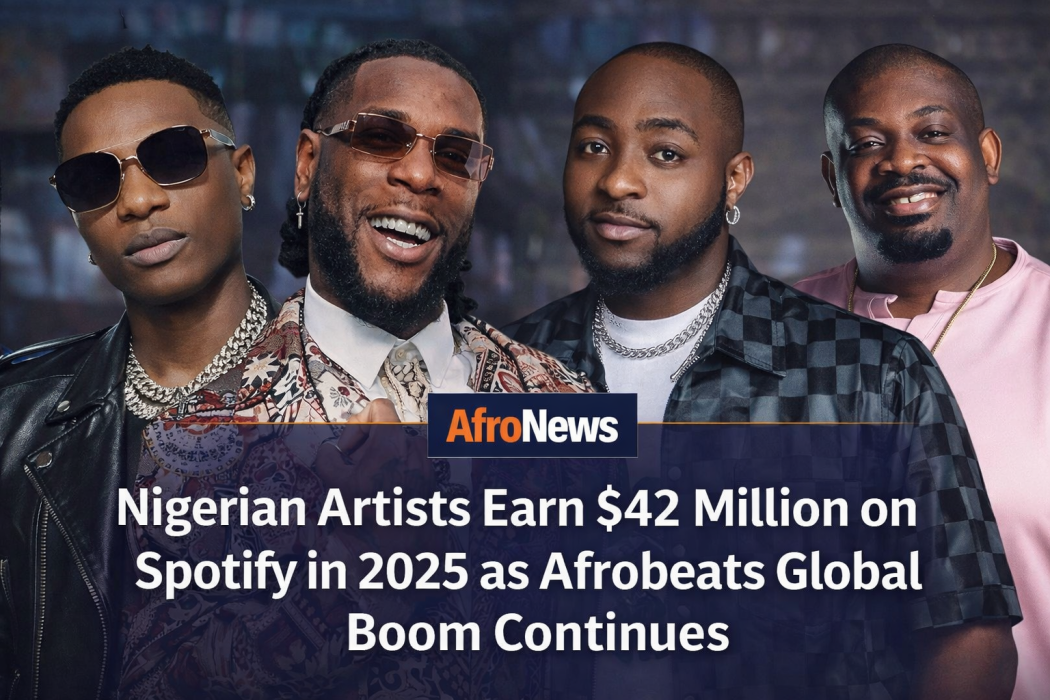
Nigerian artists generated more than $42 million in Spotify streaming revenue in 2025, highlighting the massive global growth of Afrobeats and African music.

According to the latest Spotify Loud & Clear report, Nigerian musicians earned over ₦60 billion (around $42.9 million) from streams on the platform last year. The numbers confirm how rapidly Africa’s biggest music market is expanding in the global streaming economy.

The report revealed that Nigerian artists were streamed 30.3 billion times worldwide in 2025, accumulating 1.6 billion listening hours on Spotify alone.

More than 1.3 billion listeners discovered Nigerian artists for the first time, marking a 26% increase compared to 2024. The surge reflects the continued rise of Afrobeats as one of the fastest-growing music genres globally.

Over the past two years, revenue generated by Nigerian artists on Spotify has jumped by more than 140%, driven by international demand from audiences in Europe, North America and across Africa.

One of the biggest trends from the report is the rapid growth of independent artists and female musicians in Nigeria’s music scene.

Streams from Nigerian female artists grew by 55% year-on-year, while independent artists saw streams increase by 75%.

Independent labels and artists accounted for 58% of royalties paid to Nigerian artists on Spotify in 2025, proving that the streaming era is giving more power to creators outside traditional record labels.

Inside Nigeria, local music continues to dominate.

Nigerian artists appeared on more than 80% of Spotify’s Daily Top 50 charts, showing strong support from listeners at home.

Local streaming of Nigerian music also surged by 170% year-on-year, confirming the growing influence of homegrown talent.

Spotify also revealed that Nigerian artists appeared in over 320 million user-created playlists worldwide, while more than 12 million playlists were created within Nigeria alone.

While Nigeria is currently leading Afrobeats commercially, the genre’s story is closely tied to the influence of Ghana, particularly through the legacy of highlife music, which helped shape the modern Afrobeats sound.

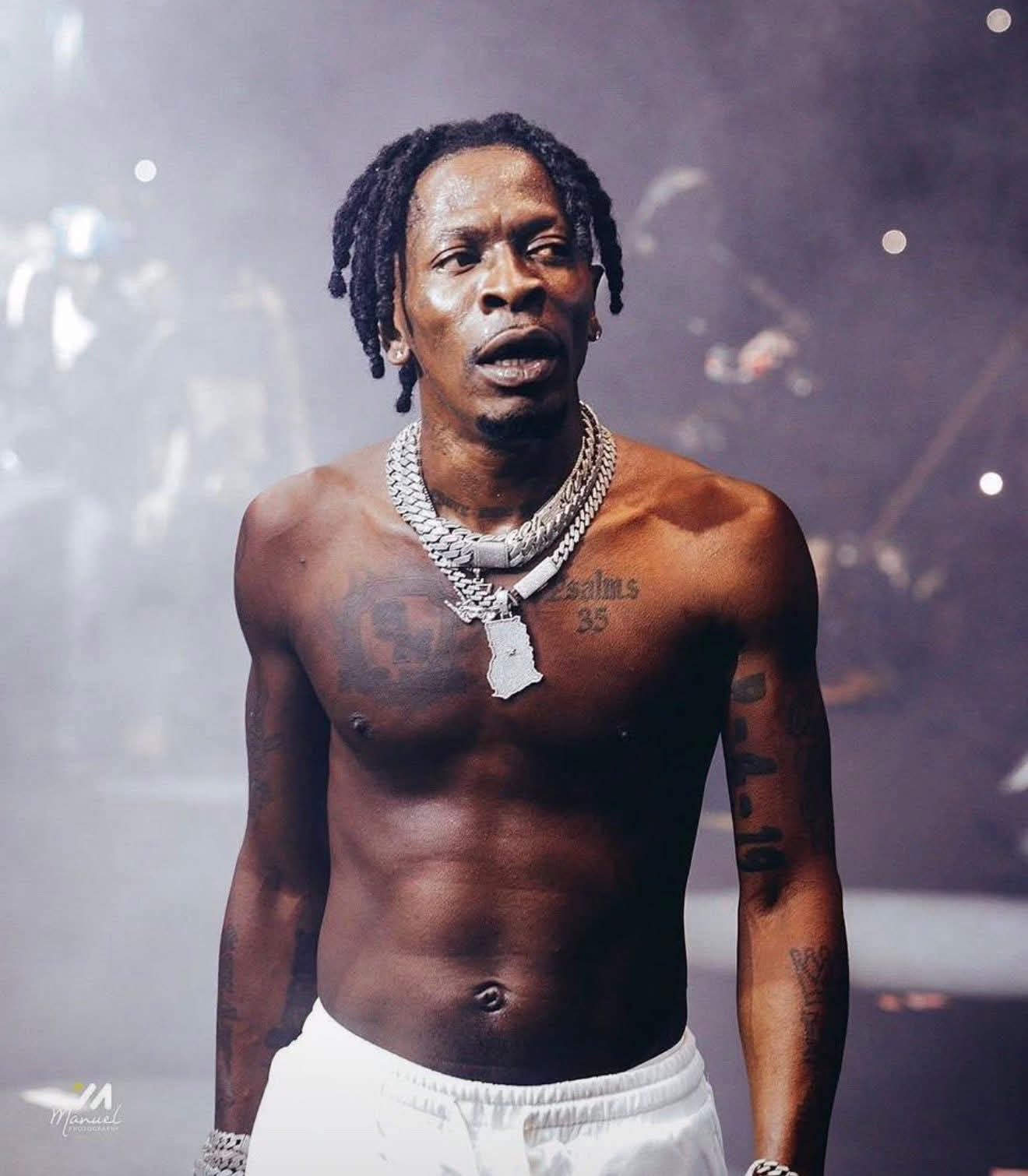
Ghanaian artists such as Sarkodie, Stonebwoy, and Shatta Wale have played key roles in expanding the genre internationally through collaborations, festivals, and global tours.

Today, both countries continue to drive the global Afrobeats movement.

Spotify’s Managing Director for Africa, Jocelyne Muhutu-Remy, says the numbers show how African music is reshaping the global industry.

“Nigeria’s music story continues to be one of creativity, innovation and global cultural influence. Artists are reaching new audiences around the world while building deeper connections at home.”

Spotify’s Loud & Clear initiative aims to provide transparency around streaming revenue and help artists understand how earnings and fan engagement are evolving in the digital music economy.

African Music’s Global Moment

With billions of streams, rising revenues and expanding international audiences, African music — led by Afrobeats — is now one of the most influential sounds in global pop culture.

And as artists from Nigeria and Ghana continue to push the genre forward, the global rise of African music is only just beginning.

Facebook
Twitter
LinkedIn

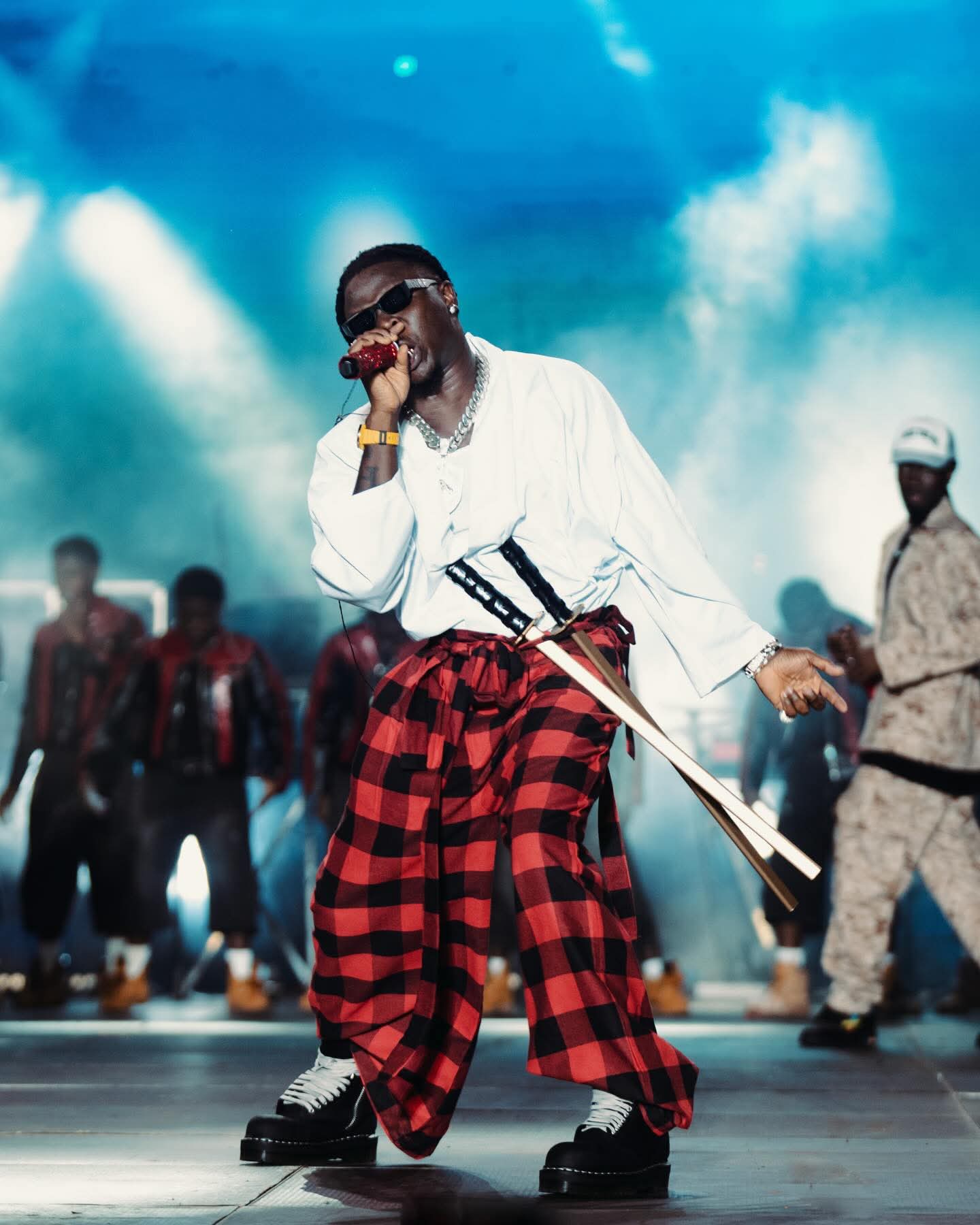
Stonebwoy, Shatta Wale and Sarkodie Signal Big Year for Ghanaian Music in the UK

London prepares for a summer of Ghanaian music as BHIM Fest heads to the UK and Ghana Party in the Park returns with an explosive 2026 edition.

London, UK — Ghanaian music continues its global rise as several of the country’s biggest stars prepare for major performances in the United Kingdom. With new concert announcements from Stonebwoy and Shatta Wale, alongside a recent London appearance by Sarkodie, 2026 is already shaping up to be a defining year for Ghanaian music across the UK and the wider diaspora.

The growing momentum highlights the expanding influence of Ghana’s music industry internationally, with London remaining one of the most important hubs for African music outside the continent.


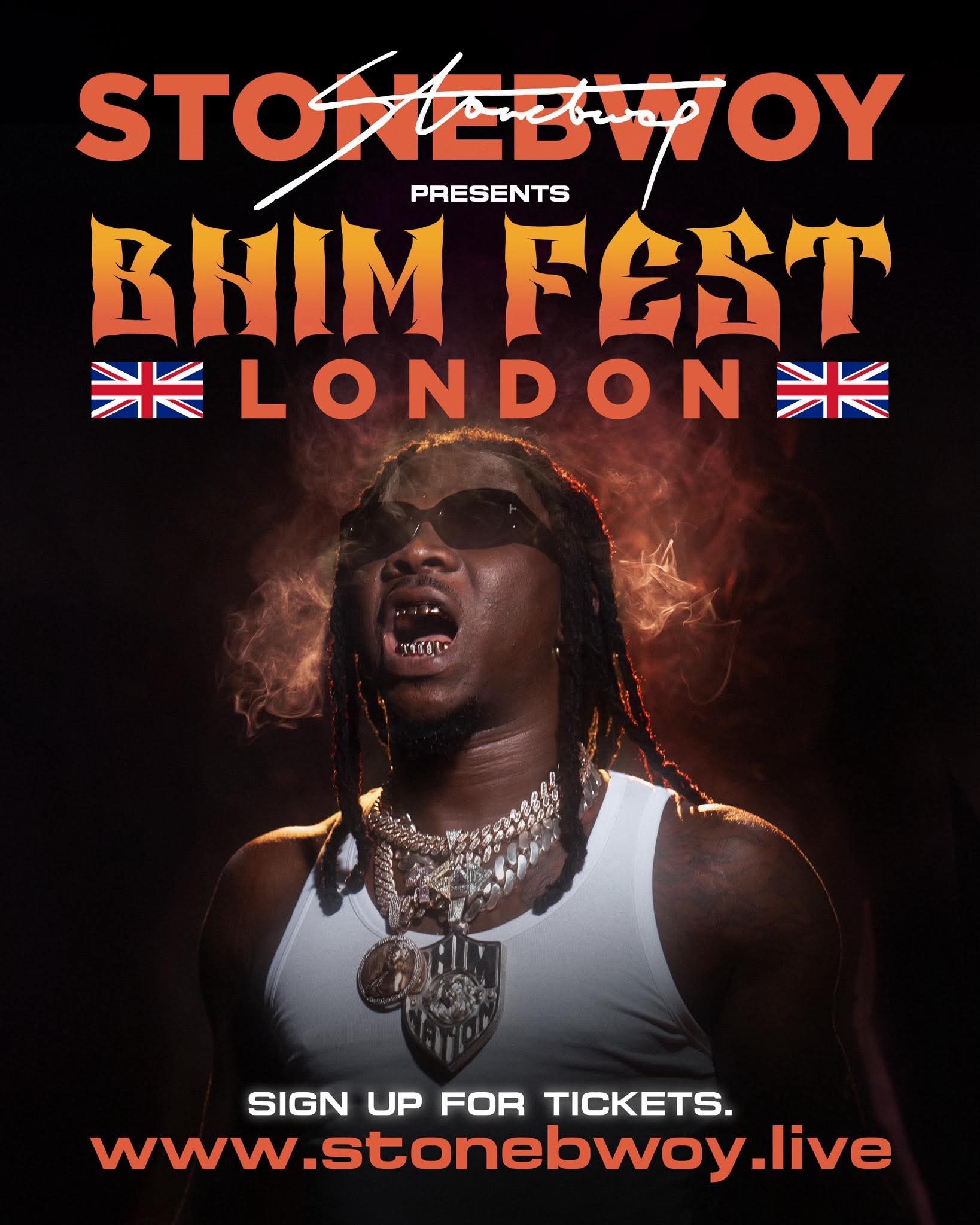
Stonebwoy Brings BHIM Fest to London

Stonebwoy has announced that his globally recognised BHIM Festival will be heading to London as part of his “UP & RUNNING” North American tour, marking another major milestone for the award-winning dancehall and Afro-fusion artist.

The announcement follows his successful 2025 concert at the O2 Shepherd’s Bush Empire, where fans packed the iconic venue for a high-energy performance celebrating Ghanaian music and Caribbean-influenced dancehall sounds.

The upcoming BHIM Fest London event is expected to build on that success with an even larger production, bringing together fans from across the UK and Europe. Known for blending live music, guest performances and cultural celebration, the festival has become one of the most anticipated events for Stonebwoy’s global fanbase.

Fans eager to attend can now register for priority ticket access at stonebwoy.live, ahead of the official ticket release.

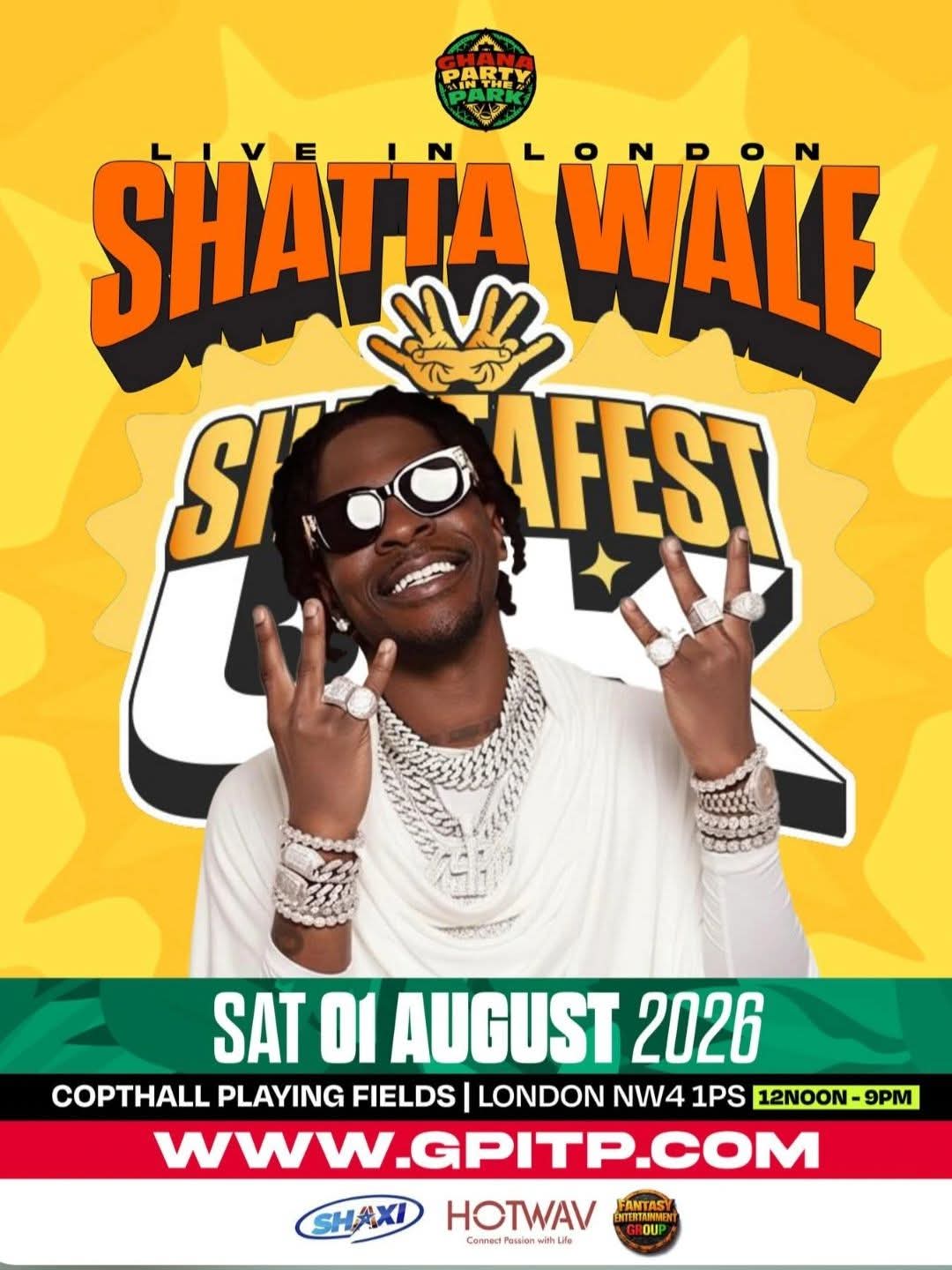
Another major highlight for Ghanaian music lovers will be the return of Ghana Party in the Park, widely recognised as the biggest Ghanaian outdoor festival in the diaspora.

The popular summer event will take place on 1 August 2026 at Copthall Playing Fields in London.

Each year the festival attracts thousands of attendees who come together to celebrate Ghanaian culture through live music, traditional food, community activities and family-friendly entertainment.

Organisers have already confirmed that dancehall superstar Shatta Wale will appear at the event, promising fans a high-energy performance packed with some of his biggest hits.

With more artists expected to be announced in the coming months, the 2026 edition is already generating excitement among fans across the UK and Europe.

Tickets for the event are currently available through www.gpitp.com

Ghanaian Music’s Growing Global Impact

The upcoming concerts follow a strong start to the year for Ghanaian artists in London. Just last weekend, rap icon Sarkodie delivered a powerful live performance that drew fans from across the UK, further demonstrating the demand for Ghanaian music on international stages.

Over the past decade, artists from Ghana have continued to expand their global reach through collaborations, international tours and festival appearances. Events like BHIM Fest and Ghana Party in the Park have played an important role in connecting diaspora audiences with the evolving sounds of Ghana.

With Stonebwoy bringing his BHIM movement to London, Shatta Wale set to ignite Ghana Party in the Park, and Sarkodie continuing to headline international stages, 2026 is shaping up to be a major year for Ghanaian music in the United Kingdom.

For fans in the diaspora, the message is clear: the global wave of Ghanaian music shows no signs of slowing down.

Facebook
Twitter
LinkedIn